Trump’s Crushing Cuba Oil Sanctions Deepen Energy Crisis and Reshape U.S.–Latin America Strategy
An analytical examination of how newly expanded U.S. sanctions under President Trump have triggered a severe energy crisis in Cuba, with emergency measures and geopolitical ripple effects across the hemisphere.
 Ronald
Advertisement
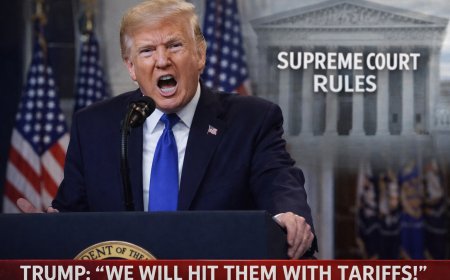
The intensification of United States sanctions targeting Cuba’s access to fuel has pushed the island nation into one of its most severe economic and energy emergencies in decades, transforming a longstanding bilateral conflict into a defining geopolitical confrontation within the Western Hemisphere. By threatening punitive tariffs against any country that supplies oil to Havana, the Trump administration has extended Washington’s economic pressure beyond traditional embargo mechanisms and into a broader strategy of secondary coercion designed to isolate Cuba from global energy markets. The immediate effect has been a cascading disruption across transportation, electricity generation, and industrial activity within Cuba, forcing the government to implement sweeping emergency measures aimed at averting systemic collapse.
Advertisement
Advertisement
Advertisement
Advertisement
Cuba’s leadership has responded with a series of austerity-driven interventions intended to preserve essential services under conditions of acute scarcity. Public transportation networks have been curtailed, work and school schedules shortened, and fuel distribution tightly rationed across key sectors of the economy. The contraction of aviation fuel availability has disrupted international travel and constrained tourism, a vital source of foreign exchange for the Cuban state. Rolling blackouts across urban centers and provincial regions alike have underscored the structural vulnerability of an energy system heavily dependent on imported oil. These developments evoke historical parallels to earlier periods of economic contraction in Cuba, yet the present crisis unfolds within a markedly different geopolitical environment shaped by intensified economic warfare and shifting global alliances.
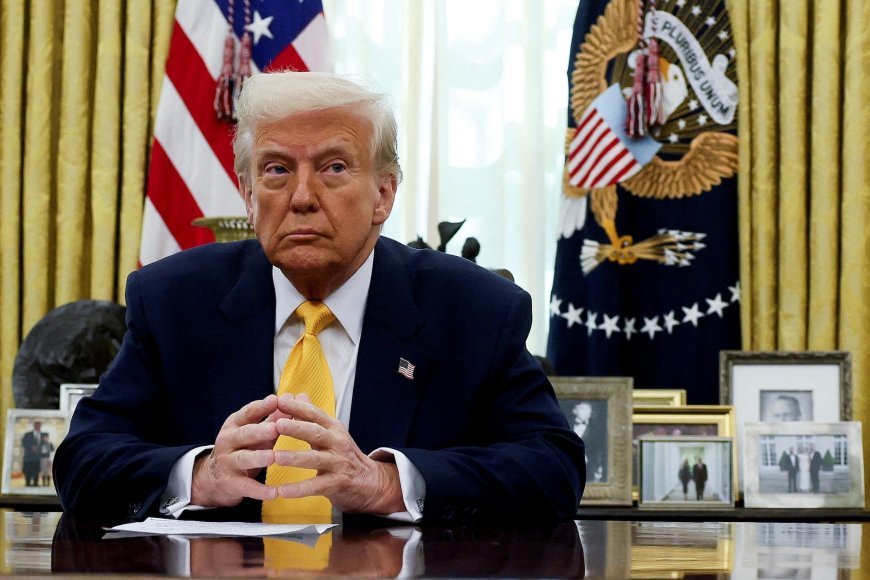
At the heart of Washington’s strategy lies a deliberate attempt to convert economic vulnerability into political leverage. By restricting Cuba’s access to its principal energy lifelines — historically supplied by Venezuela and supplemented by other partners — the administration is pursuing a model of foreign policy that treats economic pressure as a primary instrument of regime destabilization. The logic is neither novel nor subtle: energy scarcity constrains governance capacity, erodes public confidence, and compresses the political space available to entrenched leadership. Yet the scope of this approach marks a significant escalation in the use of economic statecraft in the Caribbean, reflecting a broader evolution in how American power is projected in an era increasingly defined by strategic competition rather than cooperative engagement.
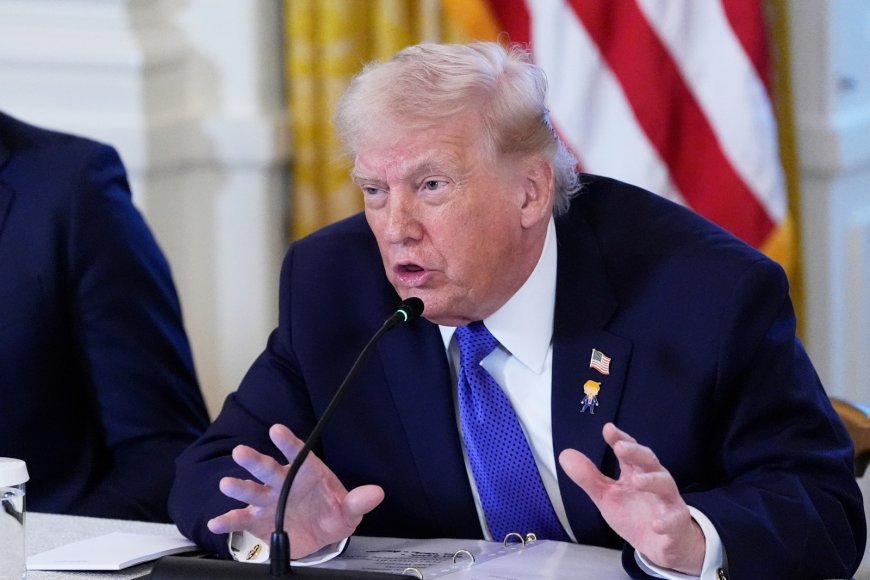
The policy’s reach extends beyond Cuba itself, reshaping diplomatic calculations across Latin America. The threat of tariffs on third-party states that engage in energy trade with Havana has introduced a powerful deterrent effect, compelling governments to weigh national economic interests against the risk of confrontation with Washington. Mexico’s decision to halt oil shipments to Cuba illustrates the strategic gravity of such pressure, revealing how U.S. policy can indirectly restructure regional energy flows without direct intervention. The resulting environment is one in which economic alignment with Washington becomes not merely advantageous but, for many states, structurally unavoidable.
This recalibration of hemispheric power relations is unfolding alongside an intensification of ideological and strategic contestation. The United States frames its policy as a necessary response to authoritarian governance and regional instability, positioning economic coercion as a legitimate tool of political transformation. Critics, however, argue that the humanitarian consequences of fuel deprivation risk exacerbating suffering among civilian populations while hardening political resistance within Cuba. The tension between strategic objectives and humanitarian outcomes is not incidental but intrinsic to the design of coercive economic policy, raising enduring questions about the ethical limits of state power in international relations.
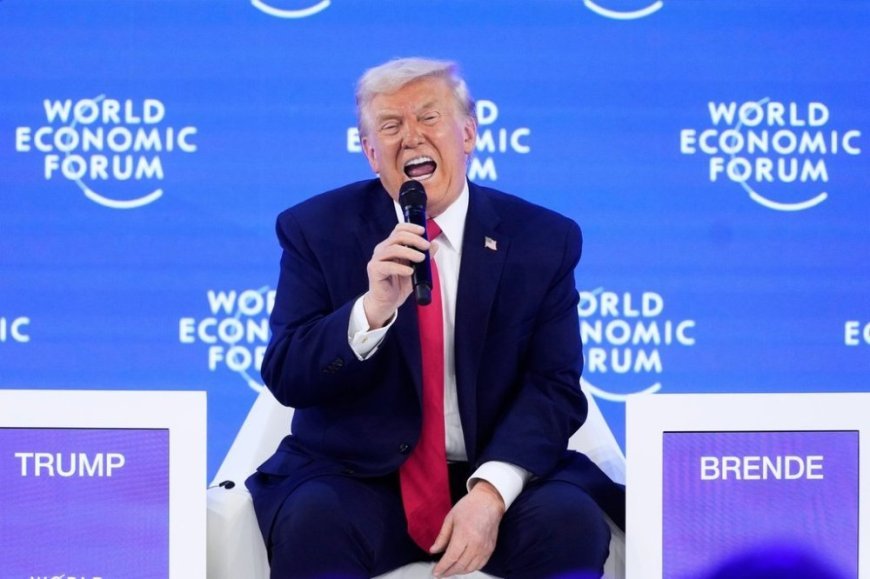
Cuba’s domestic response reflects both resilience and constraint. Officials have publicly emphasized national endurance, framing emergency measures as temporary sacrifices in the face of external pressure. At the same time, the structural limitations of the Cuban economy — including aging infrastructure, limited foreign investment, and restricted access to global financial systems — complicate efforts to mitigate the crisis through internal adjustment alone. Efforts to diversify energy sources, including the expansion of renewable capacity, remain constrained by capital scarcity and technological barriers. The crisis thus exposes not only the immediate impact of sanctions but also the deeper structural fragilities that have long defined Cuba’s economic trajectory.
The confrontation has also introduced new variables into the strategic landscape of the Caribbean basin. External powers with economic or political interests in the region must now navigate an environment in which engagement with Cuba carries heightened geopolitical risk. The sanctions regime signals a willingness by Washington to deploy economic instruments with extraterritorial effect, reinforcing a doctrine of influence that extends beyond direct bilateral relations. Such measures contribute to a broader pattern in contemporary international politics in which economic interdependence becomes a domain of strategic contestation rather than mutual benefit.
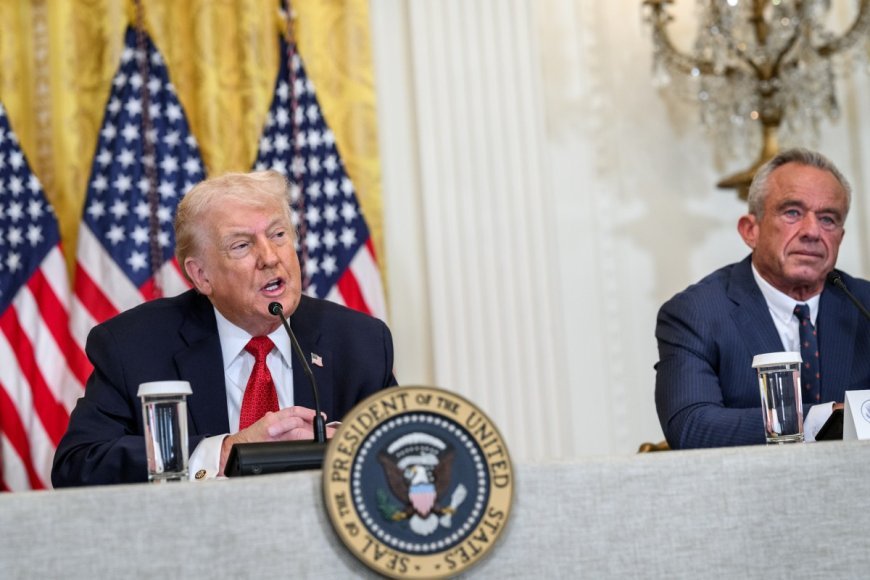
Within the United States, the policy reflects an increasingly consolidated view of foreign policy that privileges leverage over consensus and coercion over accommodation. The expansion of sanctions and tariff threats demonstrates a willingness to reconfigure traditional diplomatic frameworks in pursuit of strategic outcomes defined by national primacy. This orientation aligns with a broader recalibration of American global engagement in which economic tools are deployed alongside military and diplomatic instruments as components of an integrated strategy of influence.
The Cuban crisis therefore occupies a critical position within the evolving architecture of global power politics. It is simultaneously a localized humanitarian emergency, a regional diplomatic flashpoint, and a manifestation of shifting doctrines in American foreign policy. The outcome will shape not only the future trajectory of Cuba’s political and economic system but also the broader contours of hemispheric relations and the perceived legitimacy of economic coercion as a tool of statecraft.
As fuel shortages deepen and emergency measures become entrenched, the island’s predicament underscores the enduring tension between sovereignty and vulnerability in a global system defined by asymmetrical power. Whether the pressure applied by Washington ultimately produces political transformation or entrenches existing structures remains uncertain. What is unmistakable, however, is that the crisis represents a pivotal moment in the redefinition of U.S. influence in the Americas, illuminating the profound consequences that flow from the fusion of economic policy and geopolitical strategy.
Advertisement