EU-India ‘Mother of All Deals’ Puts Spotlight on Trump’s Next Move
A sweeping EU-India trade agreement is reshaping global trade dynamics, with attention now turning to how President Donald Trump will respond to a deal widely viewed as hedging against U.S. tariff pressure.
 Ronald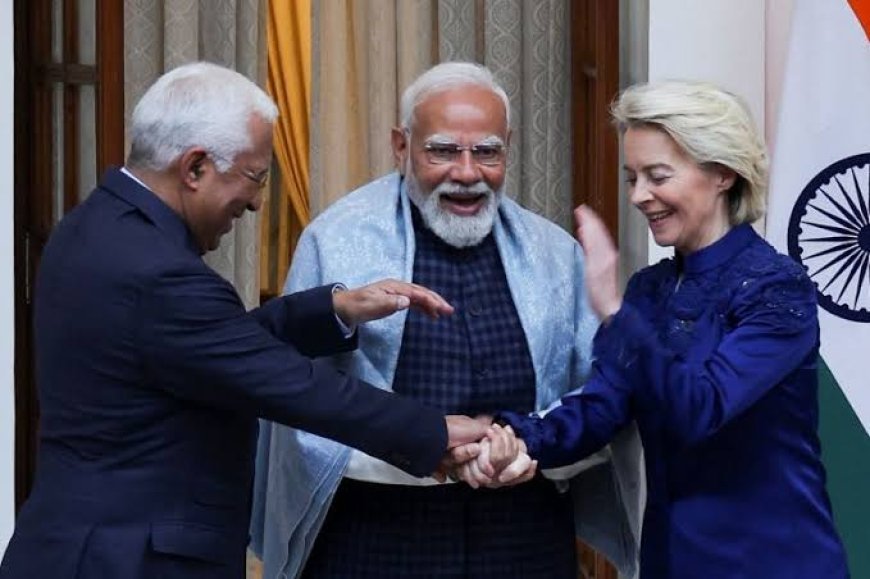
Advertisement
A landmark trade agreement between the European Union and India is drawing global attention not only for its scale, but for what it signals about shifting economic alliances in an era of rising U.S. tariffs and trade tensions.
Advertisement
Advertisement
Advertisement
Advertisement
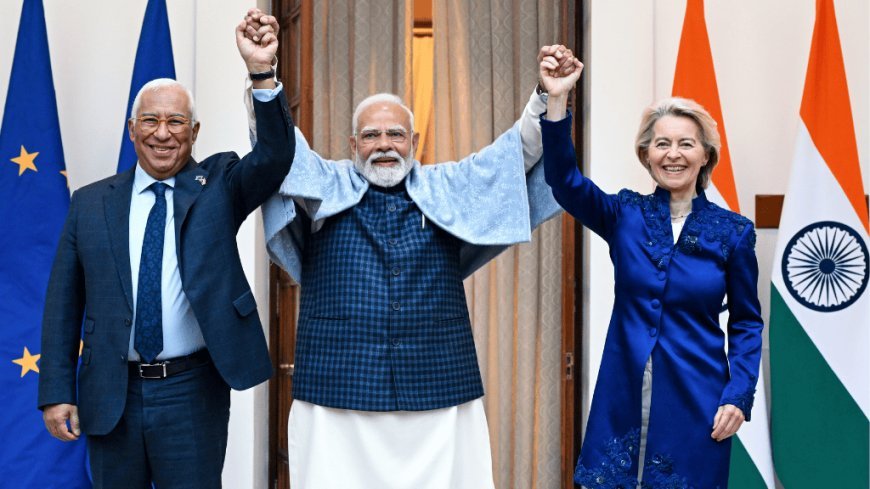
The long-negotiated deal — nearly two decades in the making — will gradually eliminate tariffs on most goods traded between the two economic powers, opening markets across multiple sectors while preserving protections for certain sensitive industries. Leaders on both sides have hailed the pact as a historic breakthrough in economic cooperation.
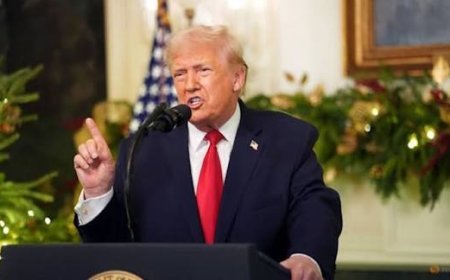
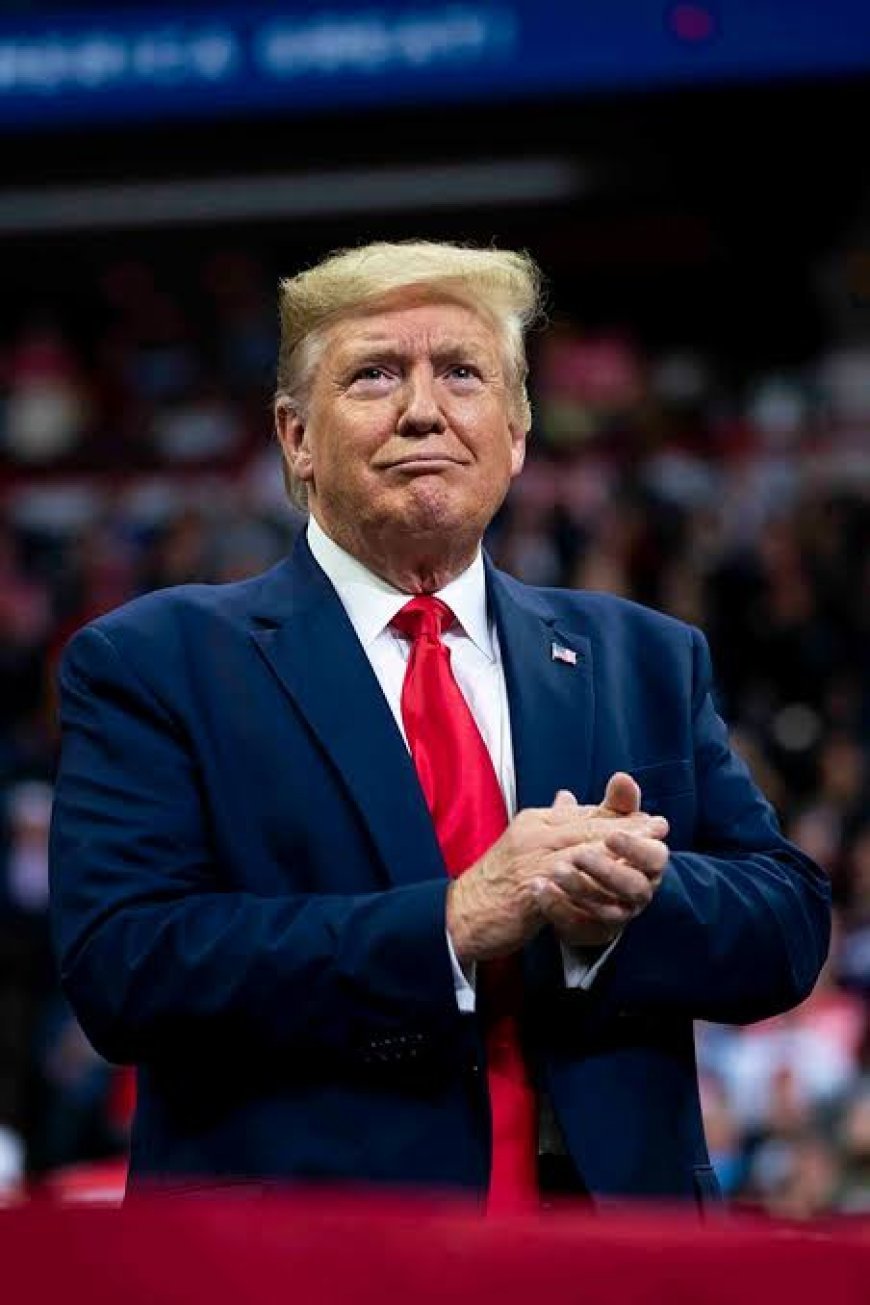
While the agreement strengthens ties between Brussels and New Delhi, attention has quickly turned to Washington. President Donald Trump has not publicly commented on the deal, but senior U.S. officials have already criticized Europe’s move to deepen trade relations with India amid ongoing disputes over tariffs and energy policy.
U.S. tariffs imposed in recent years on imports from both the European Union and India have reshaped global trade calculations. European and Indian policymakers have framed their partnership as part of a broader strategy to diversify economic relationships and reduce vulnerability to sudden shifts in U.S. trade policy.
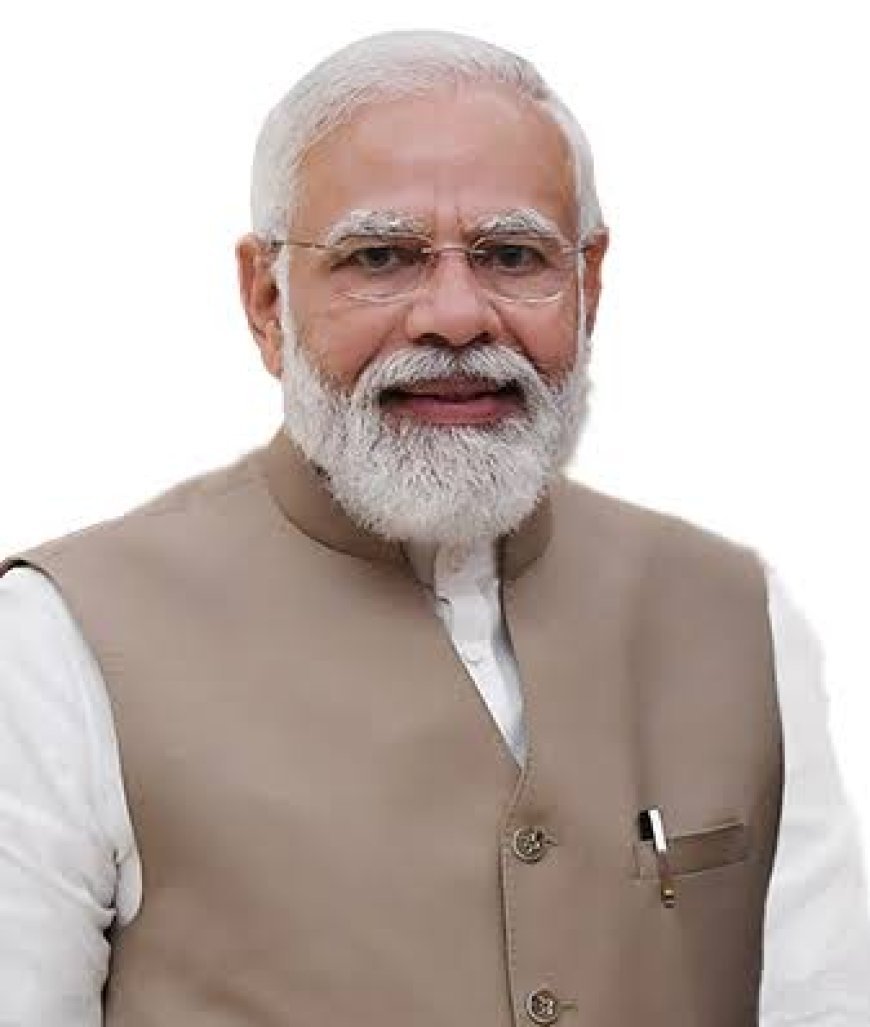
Indian Prime Minister Narendra Modi and European Commission President Ursula von der Leyen described the agreement as a transformative step in strategic cooperation. Both leaders emphasized the importance of expanding trade ties at a time when export-driven economies face mounting pressure from protectionist measures.
Trade analysts say the agreement reflects a wider restructuring of global commerce, with major economies seeking alternative partnerships as geopolitical tensions and tariff disputes persist. For both India and the EU, expanding access to each other’s markets offers economic opportunities that are increasingly difficult to secure elsewhere.
The development also underscores Europe’s evolving balancing act — pursuing greater economic independence while attempting to preserve stable relations with the United States, a key security partner. European leaders have emphasized the need to strengthen competitiveness and strategic autonomy without severing trans-Atlantic ties.
How Washington ultimately responds could shape the next phase of global trade realignment, as countries continue recalibrating alliances in a more fragmented economic landscape.
Advertisement