Meghan Markle’s “Flower Sprinkles” Moment Sparks Fresh Scrutiny Over As Ever Branding Strategy
Meghan Markle’s latest As Ever newsletter promoting “flower sprinkles” has drawn online backlash, reigniting debate over branding excess, forced intimacy, and the credibility of her lifestyle empire
 Ronald
Advertisement
There are public figures who cultivate mystique, and then there are those who cultivate performance, and Meghan Markle has increasingly positioned herself in the latter category, crafting an image that leans heavily on aspirational hosting, curated intimacy, and the relentless projection of a lifestyle that is meant to feel both exclusive and effortlessly attainable, even when the execution suggests otherwise.
Advertisement
Advertisement
Advertisement
Advertisement
Over time, Meghan’s public persona has evolved into that of the consummate hostess, a figure positioned somewhere between modern lifestyle guru and royal-adjacent tastemaker, an image amplified enthusiastically by sympathetic outlets such as Hello! Magazine, which rarely miss an opportunity to frame her domestic performances as moments of quiet genius rather than calculated brand reinforcement.
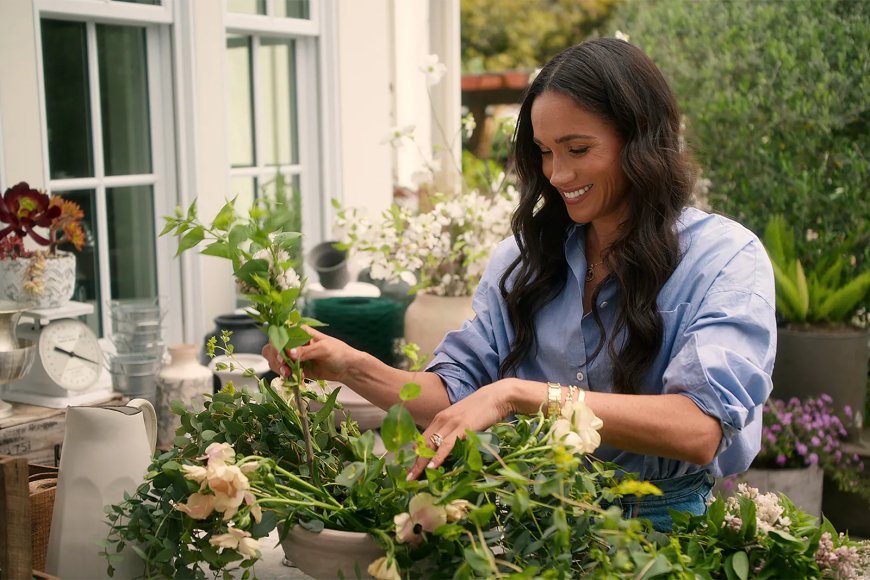
This narrative was formally introduced to a global audience through her Netflix series With Love, Meghan, a production that promised viewers access to a world of intimate dinners, meaningful conversations, and curated warmth, where every detail, from the lighting to the glassware, appeared designed to communicate authenticity while remaining firmly under aesthetic control.
The same promise underpins her lifestyle venture As Ever, which markets not products so much as moments, selling the idea that magic can be purchased, bottled, sprinkled, and reproduced, provided the consumer buys into the vision with sufficient enthusiasm and disposable income.
It was against this backdrop of carefully managed expectation that Meghan’s most recent New Year–themed newsletter landed, and instead of delivering the cinematic spectacle many assumed was coming, subscribers were met with something far more modest and far more puzzling, an enthusiastic invitation to celebrate with, of all things, flower sprinkles.
The message, titled Pop The Bubbly, attempted to conjure shared intimacy through language that leaned heavily on collective imagery, raised glasses, popping corks, and the suggestion that Meghan and Prince Harry were welcoming the new year alongside subscribers in spirit, if not in physical proximity, a familiar tactic designed to collapse the distance between brand and audience.
Yet the illusion faltered the moment the newsletter revealed its central flourish, replacing the expected confetti with edible flower petals described as “sprinkles,” an element positioned as whimsical but received online with confusion, disbelief, and increasingly open mockery.
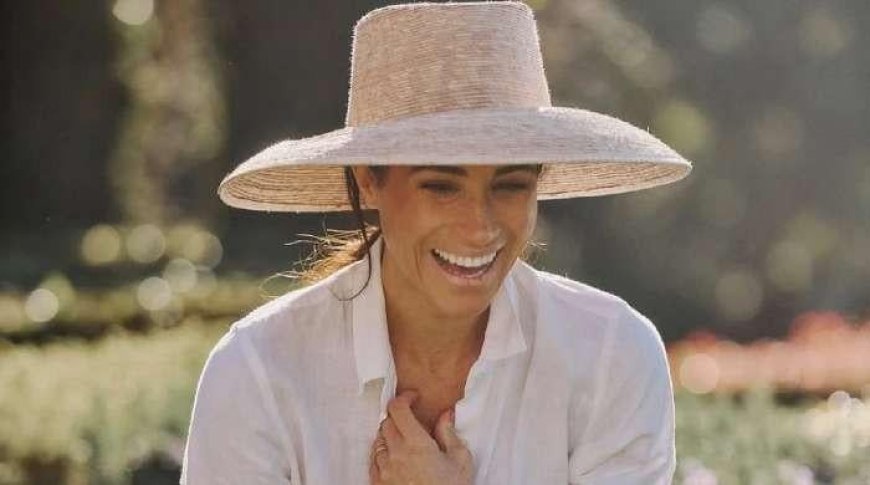
These flower sprinkles, sold for a premium price and described in poetic terms as vibrant edible confetti, are essentially dried petals, a product whose marketed romance appears inversely proportional to its practical appeal, particularly when framed as the symbolic climax of a New Year’s celebration.
What was likely intended to read as quirky charm instead landed as a moment of tonal dissonance, exposing the widening gap between how the brand sees itself and how the public is beginning to interpret it, with many questioning whether this was less about celebration and more about clearing unsold inventory under the guise of festive enchantment.
The timing only amplified the skepticism, as a New Year’s Eve call to action arriving effectively at the eleventh hour raises logistical questions that marketing language cannot smooth over, unless one assumes consumers possess either instant delivery powers or an unusually flexible relationship with time and planning.
As a result, the newsletter felt less like an invitation and more like justification, a retroactive framing of personal consumption as communal ritual, where product usage becomes proof of belief rather than evidence of success.
The forced familiarity of the sign-off, addressing readers as “dear,” compounded the disconnect, reading not as warmth but as condescension, a tonal choice that evoked less cozy British charm and more patronizing overreach, particularly for an audience increasingly resistant to being positioned as participants in a fantasy they did not consent to fund.
Equally striking was what the newsletter omitted, any reference to family, context, or reality beyond brand performance, a silence that felt louder given ongoing public awareness of unresolved family tensions and serious health concerns elsewhere in Meghan’s personal orbit.
The repeated use of “we” throughout the message further strained credibility, an attempt to project the image of a bustling, values-driven enterprise, when public reporting suggests a far leaner operation stretched across overlapping Sussex ventures, making the plural feel aspirational rather than factual.
At this stage, the flower sprinkles themselves are almost beside the point, serving instead as a symbol of a deeper issue, the apparent inability, or unwillingness, to acknowledge when a concept fails to resonate, and to recalibrate accordingly rather than doubling down on aesthetic insistence.
In branding terms, this is the danger of believing one’s own press too fully, mistaking curated affirmation for genuine demand and confusing narrative control with audience trust, a line that once crossed is difficult to return from.
If self-promotion were measured in medals, Meghan Markle would indeed rank highly, not for subtlety but for endurance, maintaining a relentless commitment to presentation even as the performance begins to show strain.
The flower sprinkles episode may fade quickly, but the questions it raises about authenticity, audience fatigue, and the sustainability of lifestyle-as-identity branding will linger, particularly as consumers grow increasingly resistant to being sold meaning rather than substance.
In the end, the petals will fall, the confetti will be swept away, and what remains will be the same unresolved tension between image and reality, a tension that no amount of poetic copy can permanently disguise.
Advertisement