Trump Threatens to Block U.S.–Canada Bridge Opening Amid Compensation Dispute
Tensions rise over a major cross-border infrastructure project as political pressure, trade friction and economic stakes collide between Washington and Ottawa.
 Ronald
Advertisement
A major infrastructure project linking the United States and Canada has become the latest flashpoint in bilateral relations, as President Donald Trump signaled he may block the opening of the Gordie Howe International Bridge unless Washington receives what he described as appropriate compensation. The dispute reflects broader tensions surrounding trade, sovereignty and economic leverage between the two neighboring allies.
Advertisement
Advertisement
Advertisement
Advertisement
The bridge, designed to connect Michigan and Ontario across the Detroit River, represents one of the most significant cross-border transportation investments in North America in recent decades. Intended to strengthen supply chains and commercial mobility, the project has long been framed by policymakers as a symbol of economic interdependence between the two countries. Its potential delay introduces uncertainty into regional trade networks that rely heavily on efficient border infrastructure.
Canadian officials have emphasized the cooperative nature of the project, noting that it was financed by Canada and built through joint labor and industrial contributions from both nations. The infrastructure has been presented as an example of practical collaboration rather than strategic competition, reinforcing longstanding economic integration between U.S. and Canadian markets. The dispute therefore highlights how even cooperative ventures can become entangled in broader political narratives.
Economic stakeholders on both sides of the border have warned that any disruption to the project could reverberate across manufacturing, logistics and employment sectors. The Detroit–Windsor corridor serves as one of North America’s most vital commercial gateways, supporting extensive trade flows that underpin automotive production and industrial supply chains. Delays or restrictions could introduce higher costs and reduced efficiency within an already complex cross-border system.
The controversy also reflects evolving approaches to international economic policy in which infrastructure projects become instruments of strategic negotiation. By linking the bridge’s opening to broader concerns about trade fairness and bilateral economic balance, the dispute illustrates how physical connectivity can be leveraged within diplomatic and commercial negotiations. This framing positions infrastructure not only as an economic asset but also as a bargaining tool within wider geopolitical dynamics.
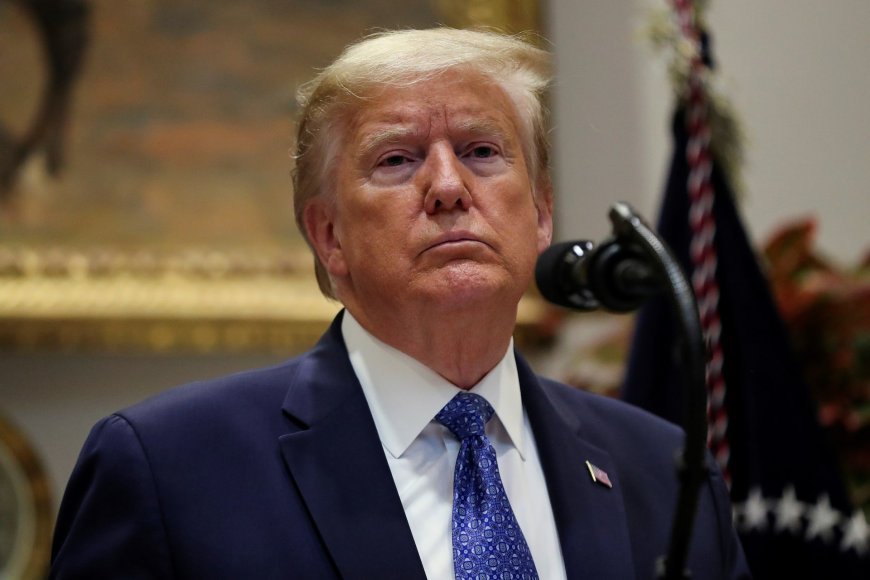
Political responses within the United States have underscored the domestic economic implications of the standoff. Regional leaders have emphasized the project’s importance for employment and industrial competitiveness, arguing that cross-border infrastructure stability remains essential for local economies deeply integrated with Canadian markets. The debate therefore extends beyond diplomacy into the realm of domestic economic strategy.
The episode unfolds against a backdrop of wider trade tensions and shifting global economic alignments, contributing to a climate in which bilateral cooperation is increasingly shaped by strategic calculation. While the bridge itself represents physical connectivity, the surrounding dispute reveals the fragility of political consensus underpinning international infrastructure initiatives.
As negotiations continue, the outcome will serve as an indicator of how the United States and Canada balance economic partnership with national leverage in an era of intensified geopolitical competition. The resolution of the dispute may ultimately determine whether the project fulfills its intended role as a symbol of integration or becomes an emblem of strategic friction between closely linked economies.
Advertisement