Trump’s Greenland “Framework” Isn’t About Land — It’s About Leverage
Donald Trump claims a “framework” has been reached on a Greenland deal, but the move reveals a deeper strategy of leverage, optics, and power politics rather than territorial ambition.
 Ronald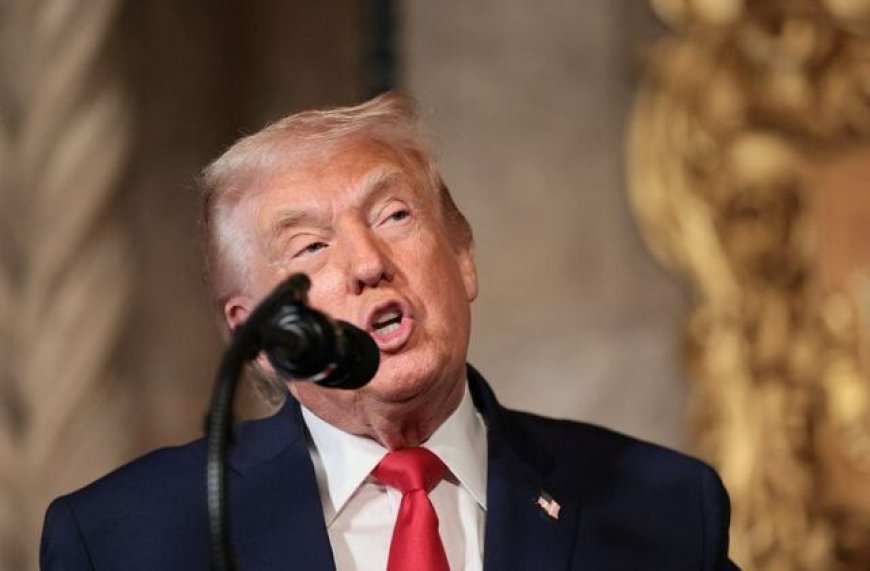
Advertisement
The announcement sounded technical, almost diplomatic in tone, yet beneath the carefully chosen language lay a familiar pattern that has come to define Donald Trump’s approach to power on the global stage, because when the former president declared that a “framework” had been reached for a future deal involving Greenland, he was not merely floating a policy update, he was reasserting leverage in a conversation that has always been more about influence than geography.
Advertisement
Advertisement
Advertisement
Advertisement
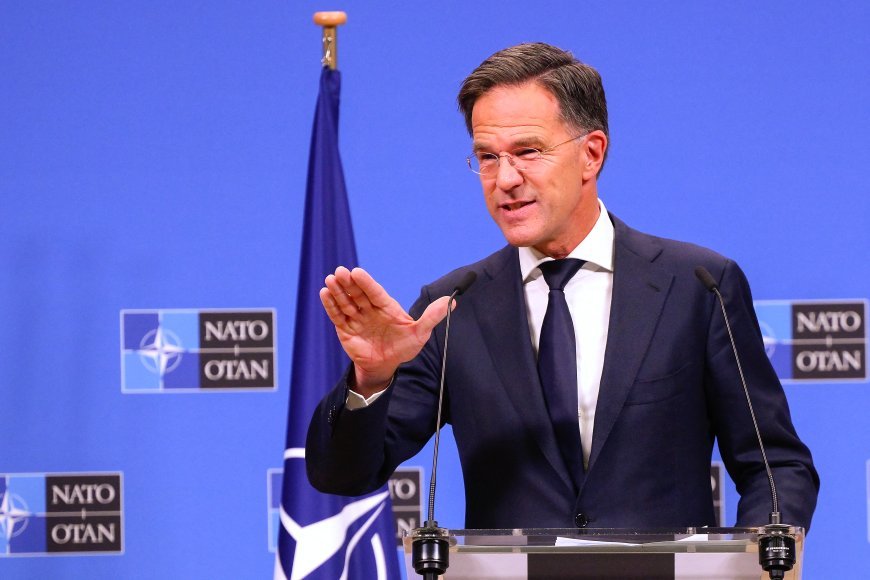
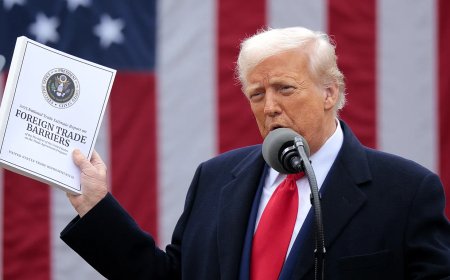
Speaking after a meeting with NATO Secretary-General Mark Rutte on the sidelines of the World Economic Forum in Davos, Donald Trump attempted to recalibrate a narrative that had, only days earlier, been dominated by sharp rhetoric and threats of escalation, including talk of taking Greenland “the easy way or the hard way,” a phrase that briefly pushed the forum’s economic agenda into the background and reminded allies that Trump rarely separates diplomacy from pressure.
What followed in Switzerland was not a retreat, but a repositioning, because Trump simultaneously ruled out military action to seize Greenland and backed away from imposing tariffs on European allies, moves that were quickly welcomed in European capitals as signs of de-escalation, even as the underlying dispute remained very much alive, with Denmark’s foreign minister cautiously describing the shift as “positive” while making clear that the issue itself was far from settled.
This dual message matters, because Trump’s decision to remove the immediate threats of force and economic punishment did not close the chapter on Greenland, it merely changed the arena in which the contest is being played, moving it from public confrontation to structured negotiation, a shift confirmed by NATO officials who acknowledged that talks between Denmark, Greenland, and the United States are now set to continue.
The Greenland question has never been solely about acquiring territory, despite the dramatic language that often surrounds it, and instead sits at the intersection of Arctic strategy, resource competition, and long-term geopolitical positioning, where control and access matter as much as ownership, and where even the suggestion of a deal can alter diplomatic calculations across Europe and beyond.
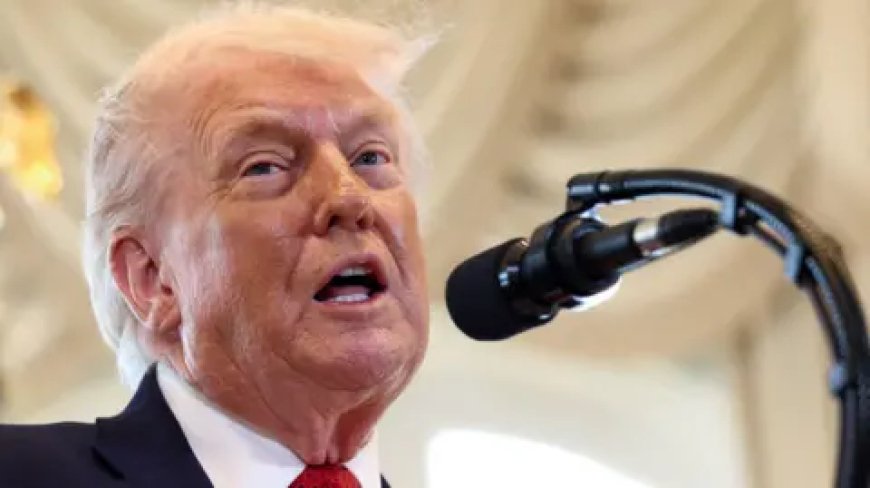
Trump’s remarks in Davos also exposed a familiar grievance narrative, as he criticized Denmark for what he described as ingratitude, a framing that reinforces his long-standing tendency to recast alliances as transactional relationships, measured by perceived returns rather than shared history or mutual obligation, a view that unsettles traditional partners but resonates with his political base at home.
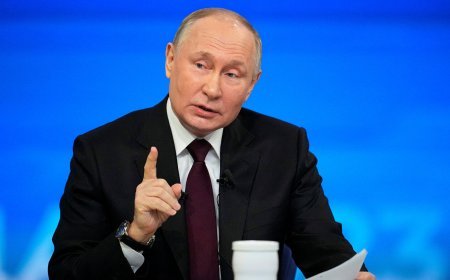
Meanwhile, the broader diplomatic backdrop continued to expand, with multiple states including Saudi Arabia, Türkiye, Egypt, Jordan, Indonesia, Pakistan, and Qatar accepting Trump’s invitation to participate in what he has described as a Gaza “board of peace,” while figures such as Pope Leo XIV, Russia’s Vladimir Putin, and Italy’s Giorgia Meloni have signaled they are considering involvement, adding yet another layer to an already complex foreign-policy tableau.
Taken together, these moves suggest that the so-called Greenland framework is less a concluded agreement than a strategic marker, a signal that Trump is once again setting the terms of debate by raising stakes, withdrawing pressure at a calculated moment, and forcing allies and rivals alike to respond on ground he has chosen.
Whether negotiations ultimately lead to a formal arrangement or quietly stall, the real outcome may already be visible in how effectively Trump has shifted attention, compelled engagement, and reminded the international community that, for him, diplomacy is not about settling questions once and for all, but about keeping leverage alive, because in Trump’s political universe, the power lies not in owning the territory, but in owning the conversation.
Advertisement