Europe Claims a Win as Trump Drops Tariff Threat — But the Power Test Isn’t Over
Sweden’s foreign minister says Europe’s unified resistance forced Donald Trump to back down on tariff threats, highlighting how collective pressure reshaped the Greenland standoff.
 Ronald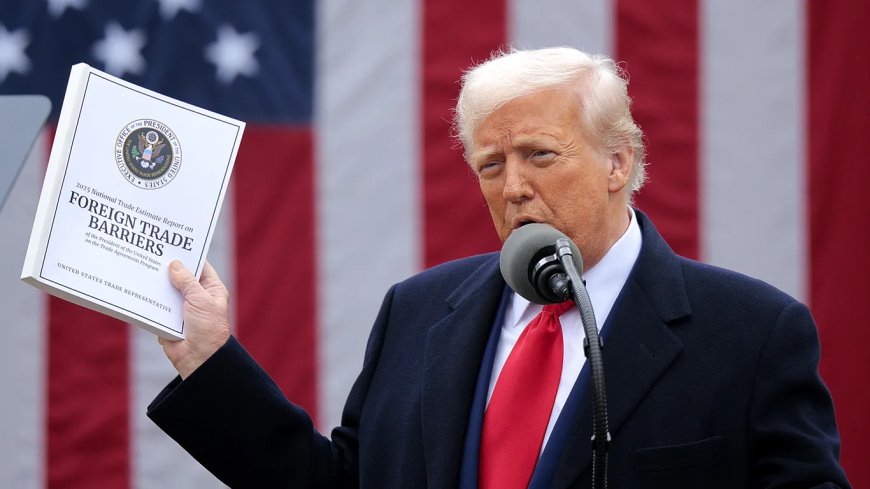
Advertisement
When Sweden’s foreign minister publicly welcomed Donald Trump’s decision to abandon threatened tariffs, the message carried more than diplomatic relief, because it was also a subtle declaration that Europe, at least this time, believes it managed to hold the line against a familiar form of pressure politics.
Advertisement
Advertisement
Advertisement
Advertisement
Maria Malmer Stenergard’s remarks came shortly after Donald Trump announced that he would not proceed with punitive tariffs against certain European nations and had agreed instead to a so-called framework for discussions over Greenland, a reversal that followed weeks of escalating rhetoric and mounting unease across the continent.
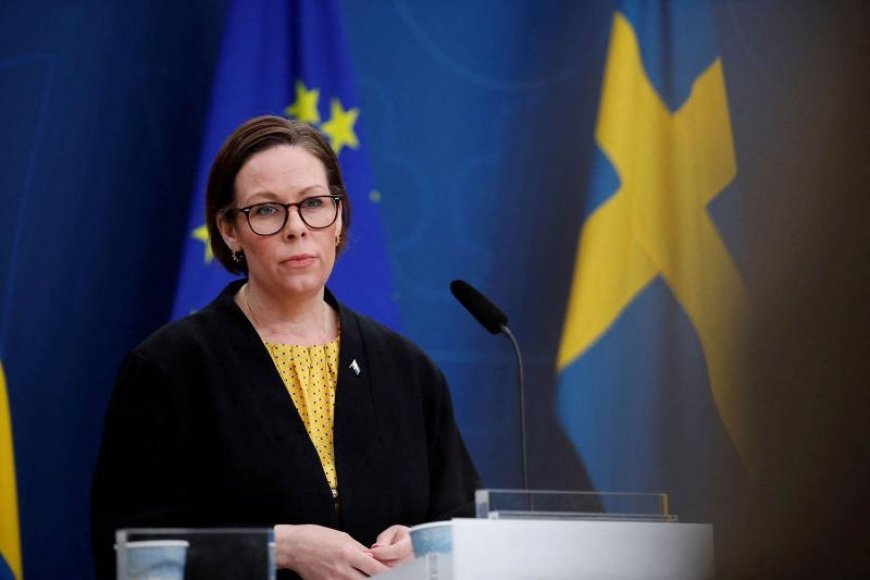
In a Swedish-language post, Stenergard suggested that Europe’s unified stance in support of Denmark and Greenland had “had an effect,” framing Trump’s pullback not as goodwill, but as a response to coordinated resistance, a point reinforced by her pointed reference to “well-deserved strong criticism” of any attempt to redraw borders through economic or political coercion.
That language matters, because European leaders are increasingly careful to avoid appearing reactive to Washington’s demands, especially when those demands are framed in transactional or punitive terms, and by emphasizing unity rather than concession, Sweden positioned Trump’s move as a retreat forced by limits, not a favor granted.
The reference to refusing “blackmail” was equally deliberate, signaling that, from Europe’s perspective, tariff threats tied to geopolitical disputes cross a line between negotiation and coercion, a distinction that has grown sharper as economic tools are used more aggressively in foreign policy.
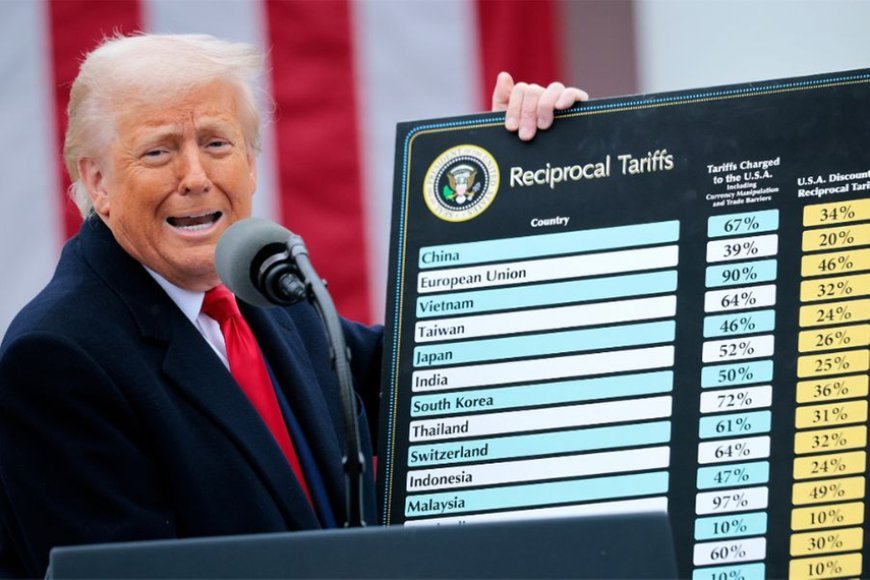
Yet beneath the public satisfaction lies a more complex reality, because while the immediate pressure of tariffs has been lifted, the underlying Greenland question remains unresolved, and Trump’s willingness to step back from one tactic does not necessarily mean he has abandoned the broader strategic objective that brought the issue to the fore in the first place.
For European capitals, the episode offers a rare moment of confidence in collective action, suggesting that unity can blunt Washington’s sharper edges, but it also serves as a reminder that such unity must be maintained long after headlines fade, particularly when negotiations shift from confrontation to quieter diplomatic channels.
Trump’s decision to recalibrate has temporarily lowered the temperature, but it has not closed the file, and the real test for Europe will be whether its current solidarity holds when discussions move behind closed doors, where leverage is applied more subtly and outcomes are shaped less by public statements than by strategic patience.
For now, Europe is claiming a victory of restraint over escalation, but in the long game of power politics, backing down on tariffs may simply mark the end of one phase, not the end of the contest itself.
Advertisement