“Canada Lives Because of Us”: Trump’s Rhetoric Turns Alliance Into Leverage
Donald Trump’s attack on Canada’s prime minister reveals a deeper shift in alliance politics, where gratitude, leverage, and power increasingly replace mutual trust.
 Ronald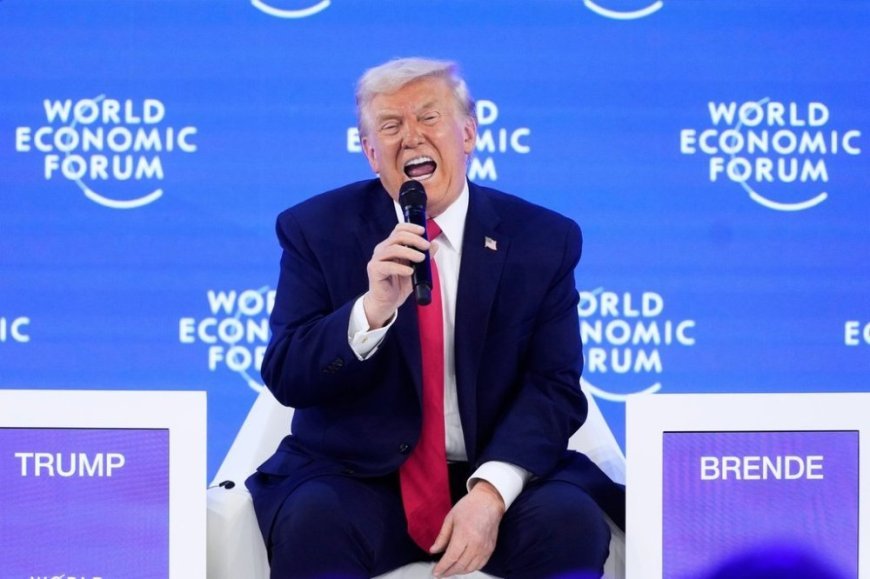
Advertisement
Donald Trump’s latest remarks about Canada were not simply an outburst, nor were they a stray moment of campaign bravado, because when he suggested that Canada “lives because of the United States,” he was articulating a worldview in which alliances are measured less by shared values than by perceived dependency and leverage.
Advertisement
Advertisement
Advertisement
Advertisement
Reacting to a speech by Canadian Prime Minister Mark Carney, Trump accused Ottawa of ingratitude, portraying Canada as a beneficiary of American generosity that has failed to show proper appreciation, a framing that immediately transformed a policy disagreement into a test of hierarchy within the North American partnership.
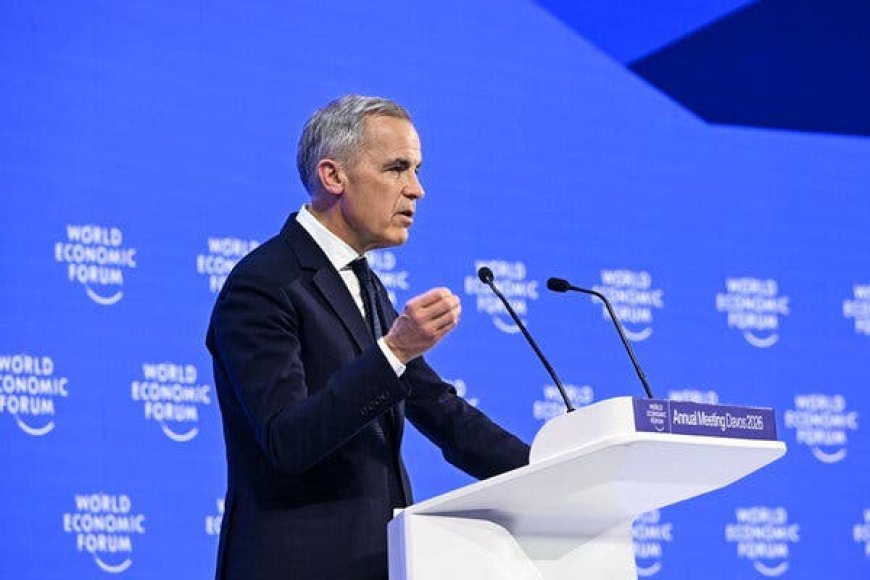
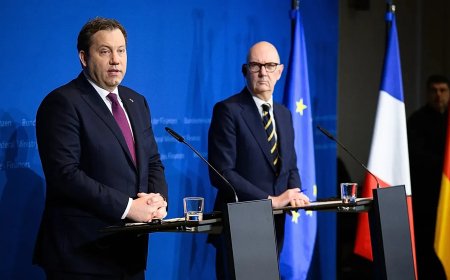
Carney’s speech, delivered a day earlier, had struck a markedly different tone, warning that the world was entering what he described as a rupture rather than a transition, and arguing that economic integration, once sold as mutually beneficial, is increasingly being used as a weapon through tariffs, financial pressure, and supply-chain coercion, a critique that directly challenged the transactional logic underpinning Trump’s approach.
Trump’s response was characteristically expansive, weaving together grievances, boasts, and strategic claims into a single narrative in which American power justifies American demands, not only toward adversaries but toward allies as well, particularly when those allies resist pressure.
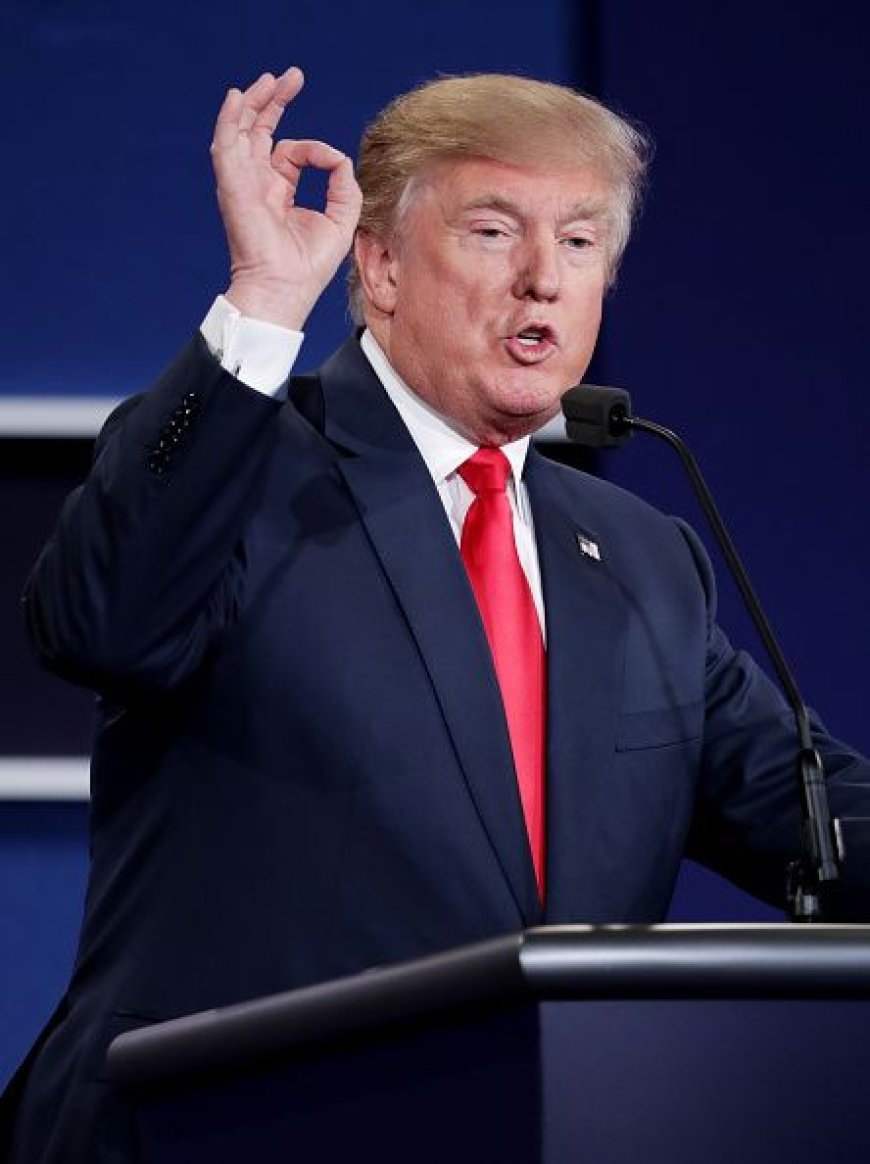
In Trump’s telling, decades of U.S. investment in NATO entitle Washington to tangible returns, including control over Greenland, which he framed as a strategic necessity rather than an act of expansion, arguing that ownership, not partnership, is required to defend the Arctic in an era of rising global competition.
The rhetoric escalated beyond Canada, as Trump revisited claims about American military dominance, crediting himself with rebuilding U.S. armed forces, touting advanced defensive systems, and asserting that the United States has carried the burden of global security without adequate compensation, a familiar refrain that casts cooperation as imbalance and restraint as weakness.
What made the moment notable was not the bravado itself, which has long been a feature of Trump’s political style, but the contrast it drew with Canada’s evolving posture, as Carney emphasized sovereignty, alliance coordination, and resistance to economic coercion, while reaffirming commitment to NATO and explicitly backing Denmark and Greenland’s right to determine their future.
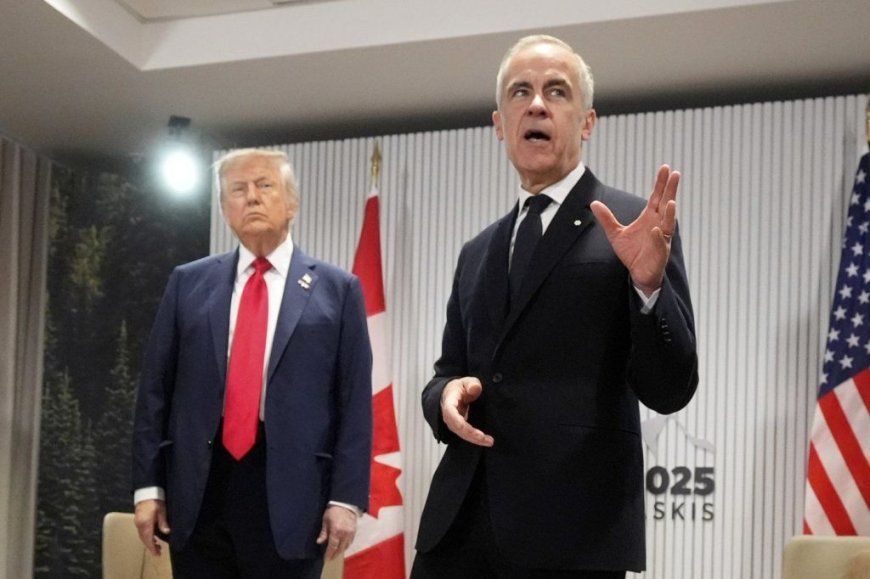
The Canadian message was measured but unmistakable, asserting that while power can impose costs, it cannot compel legitimacy, and that alliances cannot function sustainably when gratitude is demanded rather than earned through mutual respect.
Reports that Canada has, for the first time in a century, conducted internal contingency planning for a hypothetical U.S. invasion underscore how far rhetoric can travel once trust begins to erode, even if officials acknowledge such a scenario remains highly unlikely, because the act of planning itself reflects a shift in assumptions about stability along what has historically been one of the world’s most peaceful borders.
Trump’s remarks also reveal a broader pattern, where strategic initiatives, whether in Greenland, NATO, or North America, are framed not as shared responsibilities but as overdue acknowledgments of American primacy, an approach that energizes supporters who see strength in dominance, while unsettling partners who view alliances as reciprocal rather than hierarchical.
The deeper question raised by this exchange is not whether Canada is truly preparing for conflict, but whether the language of power is replacing the language of partnership, because once allies begin speaking past one another, interpreting pressure as coercion and criticism as betrayal, the foundation of cooperation weakens long before any formal break occurs.
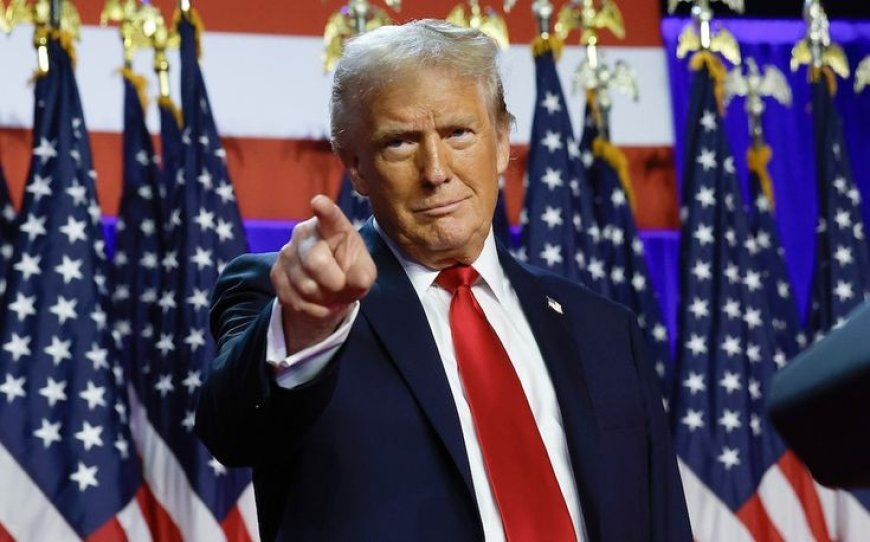
In that sense, Trump’s declaration that Canada should be grateful is less a demand for thanks than a signal of how he understands the international order, one where security is transactional, loyalty is conditional, and power is justified by the belief that without the United States, others would simply not endure.
Whether that vision strengthens America’s position or accelerates quiet resistance among its closest partners may ultimately define not just the future of U.S.–Canada relations, but the durability of alliances built in a very different era.
Advertisement