Kim’s Nuclear Theatre: How North Korea Turns Missile Tests Into Political Messaging
Kim Jong Un prepares to unveil plans to expand North Korea’s nuclear arsenal, using missile tests and party congress theatrics to project power and psychological pressure.
 Ronald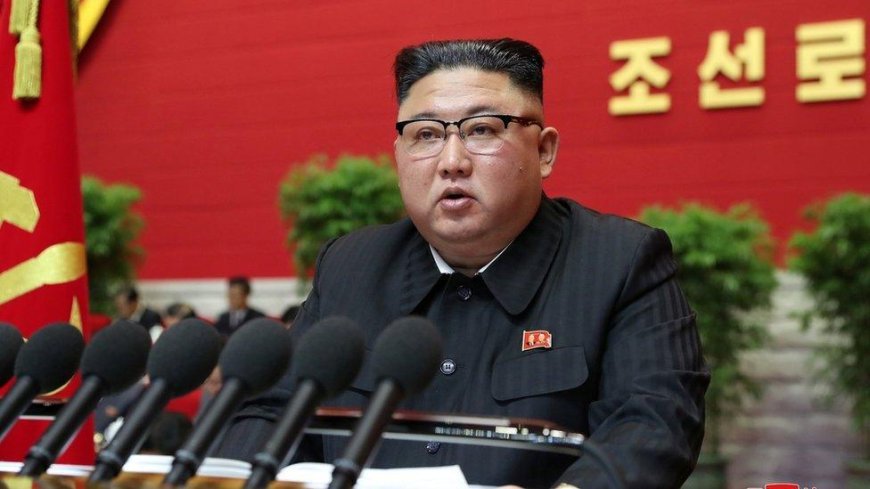
Advertisement
Kim Jong Un is not merely testing missiles, he is staging political theatre with warheads as props and fear as the intended audience reaction. The announcement that North Korea’s leader will soon unveil plans to further expand his nuclear arsenal is less a policy update and more a carefully choreographed performance designed to remind the world that Pyongyang still measures relevance in kilotons.
Advertisement
Advertisement
Advertisement
Advertisement
The timing is deliberate. Kim’s latest missile tests, followed immediately by promises of “excruciating mental agony” for his enemies, are part of a familiar psychological script that North Korea has refined over decades. Launch first, threaten second, convene party elites third, and let foreign capitals do the panicking in between.
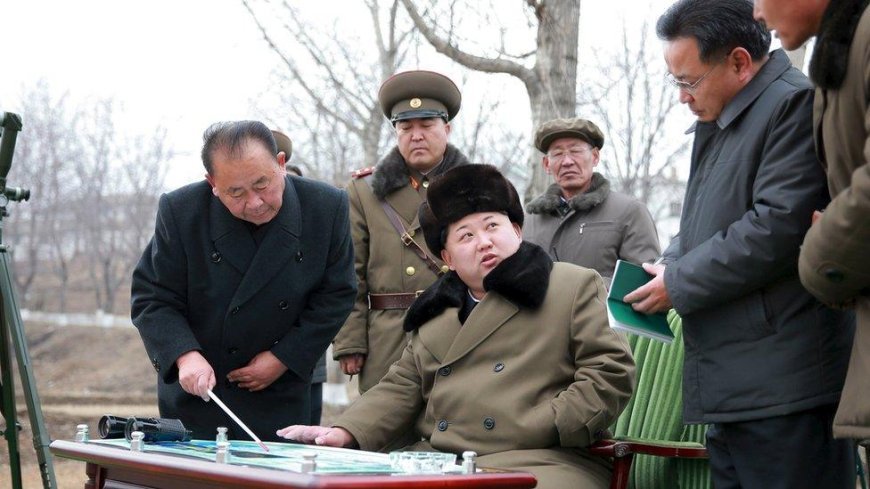
The upcoming ninth Workers’ Party congress, the first since 2021, will serve as the formal stage for this ritual. Officially, it will introduce a five-year development plan for defence and the economy, but in reality it functions as a propaganda summit, where economic stagnation is disguised behind ballistic imagery and domestic hardship is reframed as patriotic sacrifice.
Kim’s rhetoric is no longer aimed only at external enemies, it is also directed inward. By showcasing missile launches and talking openly about modernising production, Kim reinforces his core narrative that survival depends on militarisation, not reform, and that nuclear weapons are not bargaining chips but existential necessities.
Tuesday’s test of a large-calibre multiple rocket launcher system fits perfectly into this narrative. Described by Kim as a major upgrade to the country’s “strategic deterrent”, the launch was accompanied by claims of precise targeting at a distance of over 350 kilometres, a number chosen less for military accuracy than for symbolic intimidation.
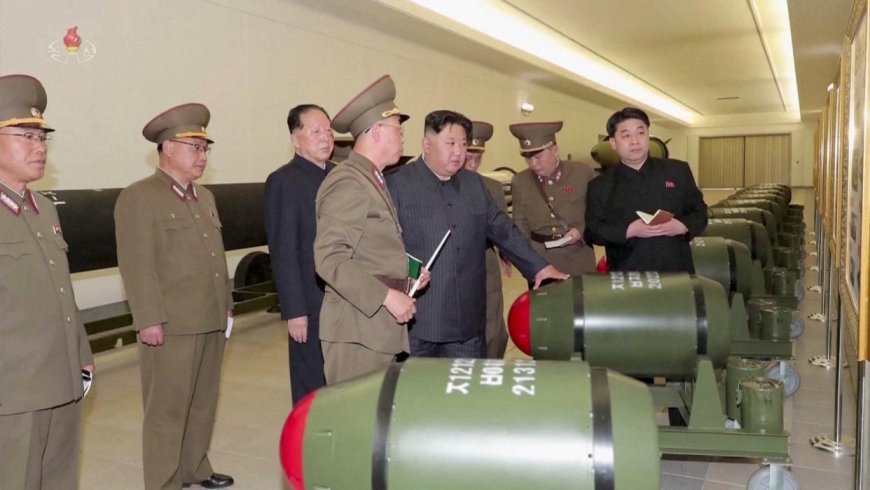
Japanese and South Korean military reports quickly confirmed the launches, highlighting how Pyongyang’s real power does not lie in its weapons themselves, but in its ability to force regional governments into constant reactive mode. Every test becomes a diplomatic crisis, every announcement triggers emergency meetings, and every grainy photo becomes global news.
Analysts pointing to new navigation systems designed to evade GPS jamming suggest that North Korea is not just recycling Cold War hardware, but actively adapting its missile technology to modern electronic warfare. This is where Kim’s strategy becomes more unsettling, because it signals a regime that is no longer content with symbolic threats, but is slowly building functional, survivable strike capabilities.
The presence of Kim’s daughter at the test site adds another layer of political symbolism. This is not a family outing, it is dynastic messaging. Kim is visually embedding nuclear weapons into the future identity of his regime, presenting militarisation not as a temporary policy, but as a hereditary legacy.
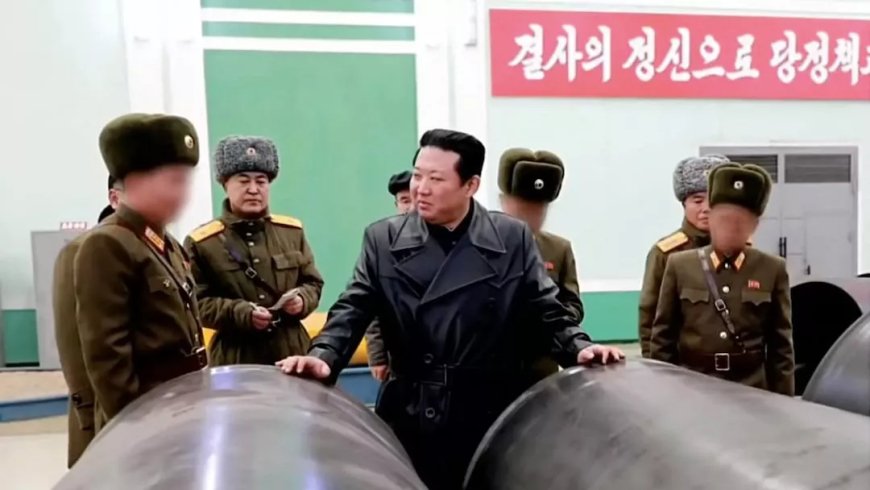
Behind the spectacle, however, lies a simpler truth. North Korea’s economy remains deeply constrained, its population increasingly isolated, and its international legitimacy virtually nonexistent. Nuclear expansion is not a sign of confidence, but of strategic insecurity. When a state has little to offer the world, it resorts to offering threats instead.
Kim’s repeated insistence on “strategic deterrence” is therefore less about preventing war and more about preventing irrelevance. As global attention shifts toward China, Ukraine, the Middle East, and AI-driven power struggles, Pyongyang’s greatest fear is being ignored. Missile tests ensure that never happens.
In the end, Kim’s nuclear plans are not really about military balance, they are about narrative control. As long as North Korea remains unpredictable, dangerous, and theatrically hostile, Kim remains indispensable at home and impossible to dismiss abroad.
This is not arms policy, it is survival branding, and in Kim Jong Un’s world, fear is still the most reliable export his regime can produce.
Advertisement