Germany Urges Caution as Trump Signals Greenland Deal — A Reminder That Leverage Isn’t Gone
Germany’s finance minister warns against premature optimism after Donald Trump eases tariff threats over Greenland, highlighting why Europe remains wary of shifting leverage.
 Ronald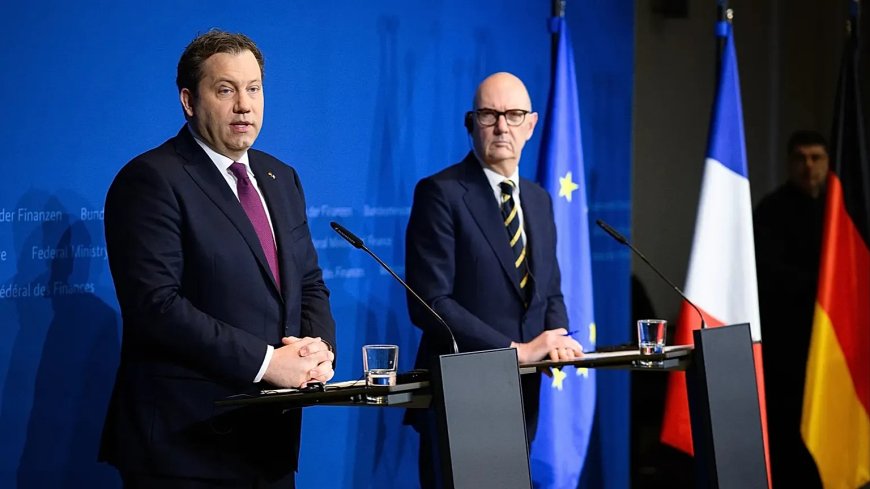
Advertisement
Germany’s response to Donald Trump’s latest remarks on Greenland was deliberately restrained, offering neither celebration nor confrontation, but instead a warning shaped by experience, as Berlin made clear that easing pressure does not necessarily mean abandoning it.
Advertisement
Advertisement
Advertisement
Advertisement
Speaking after Trump emerged from talks with NATO Secretary-General Mark Rutte, Germany’s finance minister Lars Klingbeil urged observers not to rush toward optimism, stressing that while dialogue is preferable to escalation, expectations should remain grounded until concrete outcomes, rather than rhetorical frameworks, are on the table.
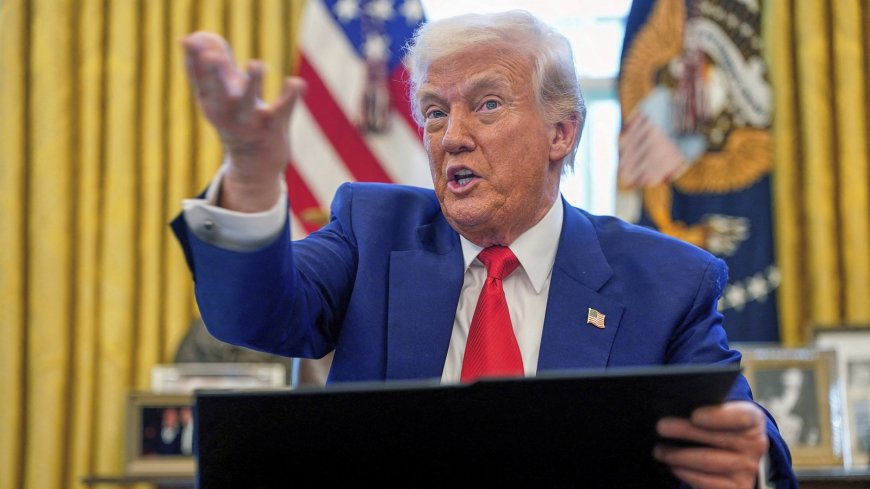
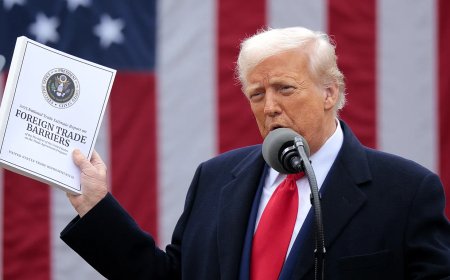
That caution followed Donald Trump’s announcement that he had reached what he described as an agreeable framework for a potential deal on Greenland, alongside a decision to step back from previously threatened tariffs on European goods, measures that briefly lowered tensions after weeks of sharp rhetoric and uncertainty.
Yet from Berlin’s perspective, the shift looks less like resolution and more like recalibration, because Trump’s retreat from immediate economic pressure does not erase the underlying tactic that brought tariffs into the conversation in the first place, nor does it guarantee that similar tools will not reappear if negotiations stall.
Klingbeil’s remarks, delivered in an interview with German broadcaster ZDF, reflected a broader European instinct to separate tone from substance, recognizing that diplomatic language can soften quickly while strategic objectives remain intact, particularly when leverage has already proven effective at commanding attention.
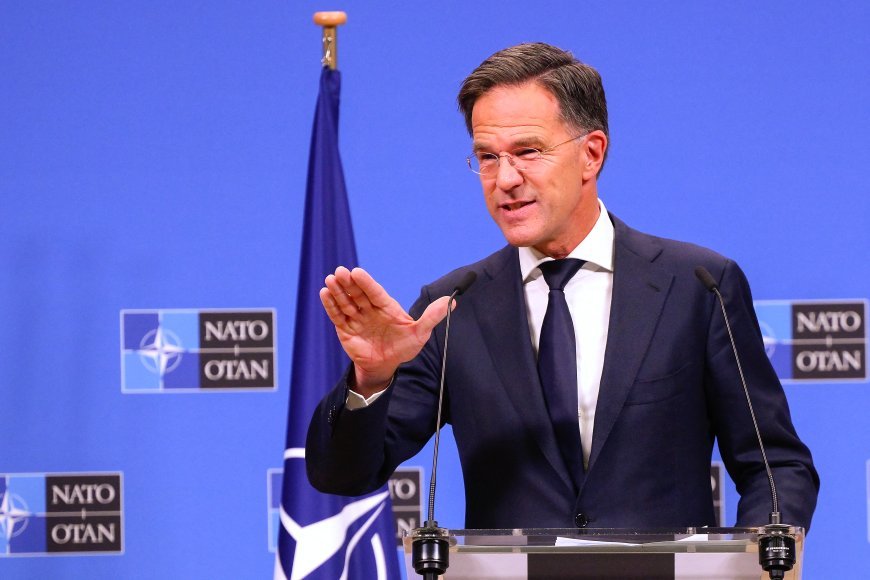
The presence of Mark Rutte in the discussions added an additional layer of reassurance for European audiences, but it did little to dispel the sense that Greenland remains a live issue rather than a settled one, with negotiations now shifting from public brinkmanship to quieter, more complex bargaining.
Germany’s warning not to “get our hopes up too soon” also serves a domestic function, tempering public expectations and reinforcing the message that Europe must prepare for drawn-out engagement rather than quick diplomatic victories, especially when dealing with a political figure known for blending negotiation with pressure.
For Trump, the moment offers breathing room, allowing him to present flexibility without surrendering influence, while for Europe, it underscores the importance of patience and unity in navigating an environment where concessions can be reversed as easily as they are announced.
In that sense, Berlin’s measured response is less about skepticism for its own sake and more about realism, a reminder that in contemporary power politics, de-escalation is often a phase rather than a finale, and that true resolution is judged not by frameworks declared, but by boundaries respected and agreements sustained.
Advertisement