Putin Slows Trump’s “Board of Peace” Pitch — And the Pause Speaks Loudly
Vladimir Putin says Russia is still reviewing Donald Trump’s “Board of Peace” invitation for Gaza, revealing caution, leverage, and the limits of headline diplomacy.
 Ronald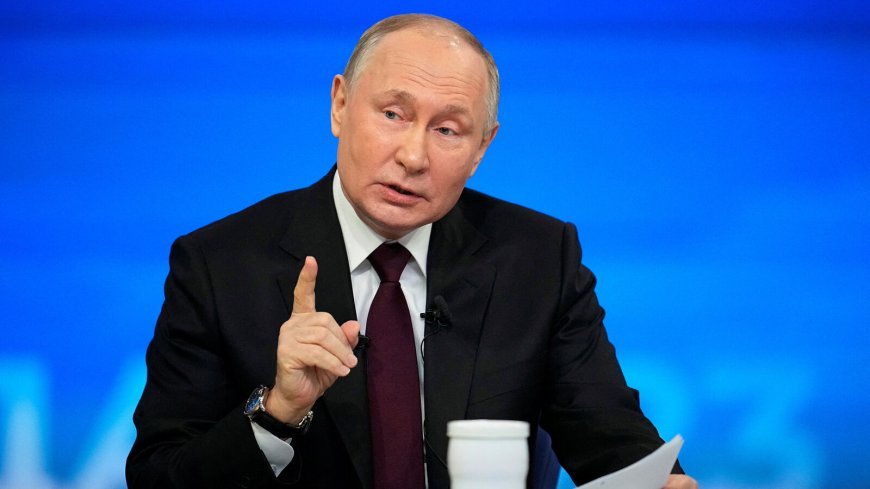
Advertisement
When Donald Trump floated the idea of a “Board of Peace” for Gaza, the announcement was delivered with the familiar confidence of a deal already in motion, yet Moscow’s response has introduced a note of deliberate hesitation that undercuts the impression of swift consensus and exposes the realities of great-power diplomacy.
Advertisement
Advertisement
Advertisement
Advertisement
Speaking during a televised government meeting, Vladimir Putin made clear that Russia has not, in fact, committed to the initiative, explaining that the foreign ministry has been tasked with studying the documents and consulting strategic partners before any response is issued, a careful formulation that stands in quiet contrast to earlier suggestions from Donald Trump that acceptance was already assured.
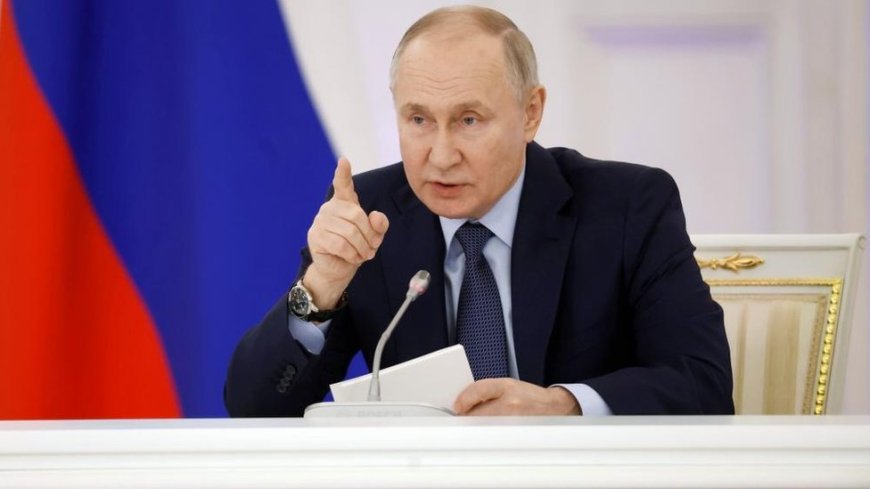
This distinction matters, because in international politics, process is often a message in itself, and by emphasizing review rather than endorsement, Moscow signaled that it will not be rushed into aligning with a framework it did not design, no matter how prominently it is framed or how publicly it is announced.
Putin’s language was notably procedural, almost bureaucratic, but beneath it lies a familiar strategic instinct, as Russia has long preferred to evaluate multilateral initiatives through the lens of leverage, regional balance, and partner alignment, particularly on issues as volatile as Gaza, where competing interests, alliances, and narratives intersect sharply.
The pause also highlights a recurring tension in Trump’s foreign-policy style, where bold declarations are used to shape momentum and perception, even as other actors insist on slower, more measured engagement, a dynamic that can create headlines quickly but does not always translate into immediate agreement.
By stressing consultations with “strategic partners,” Moscow reminded Washington that any movement on Gaza is inseparable from broader regional calculations, including relationships with Middle Eastern actors and Russia’s own positioning in global diplomatic forums, factors that cannot be compressed into a single invitation or announcement.
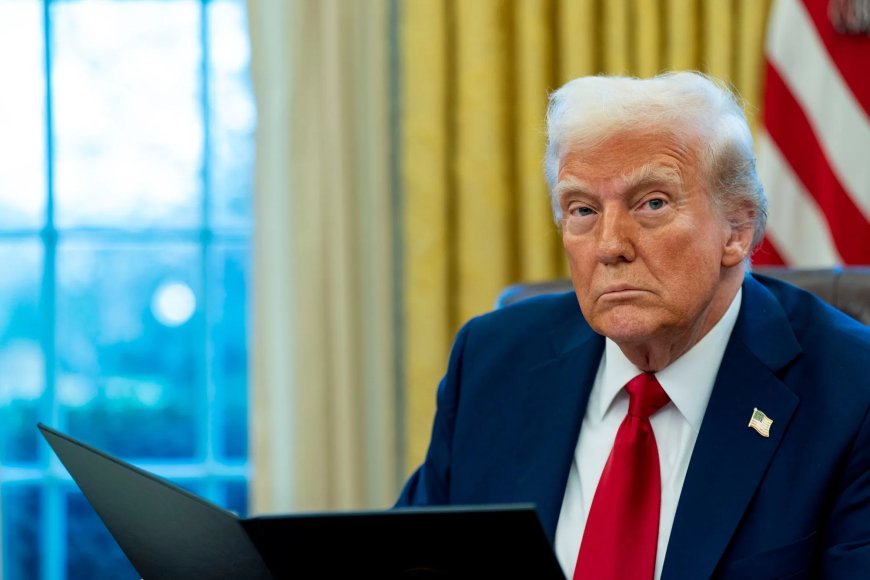
For Trump, the moment underscores the challenge of converting personal diplomacy into institutional commitment, because while public claims of acceptance project confidence and leadership, they also raise expectations that other capitals may deliberately resist meeting on Washington’s timetable.
For Putin, restraint carries its own advantage, allowing Russia to maintain ambiguity, extract information, and preserve optionality, all while appearing open rather than dismissive, a posture that keeps channels open without surrendering control of the pace or outcome.
In the end, the significance of Moscow “studying” the invitation may lie less in the eventual answer than in the signal it sends now, namely that even in an era of rapid announcements and headline-driven diplomacy, major powers still reserve the right to slow the conversation, recalibrate the terms, and decide when, and if, participation truly serves their interests.
Advertisement