Trump’s “America First” Doctrine and the Strategic Reordering of Global Diplomacy
An in-depth analysis of how Donald Trump’s America First doctrine is reshaping alliances, trade power, and Middle East strategy in a transformed global order.
 Ronald
Advertisement
Donald Trump’s political ascent did not follow the traditional architecture of American power. Unlike virtually every modern president, he entered national leadership without prior experience in elected office or federal governance, disrupting not only domestic political norms but also the assumptions that historically guided U.S. engagement abroad. What initially appeared as improvisational statecraft during his first term has, in his second tenure, hardened into a defined doctrine of international conduct rooted in strategic leverage, transactional diplomacy, and a reassertion of American primacy as both method and objective. One year into his renewed presidency, the effects of this framework are increasingly visible across alliance structures, economic policy, and regional security arrangements.
Advertisement
Advertisement
Advertisement
Advertisement
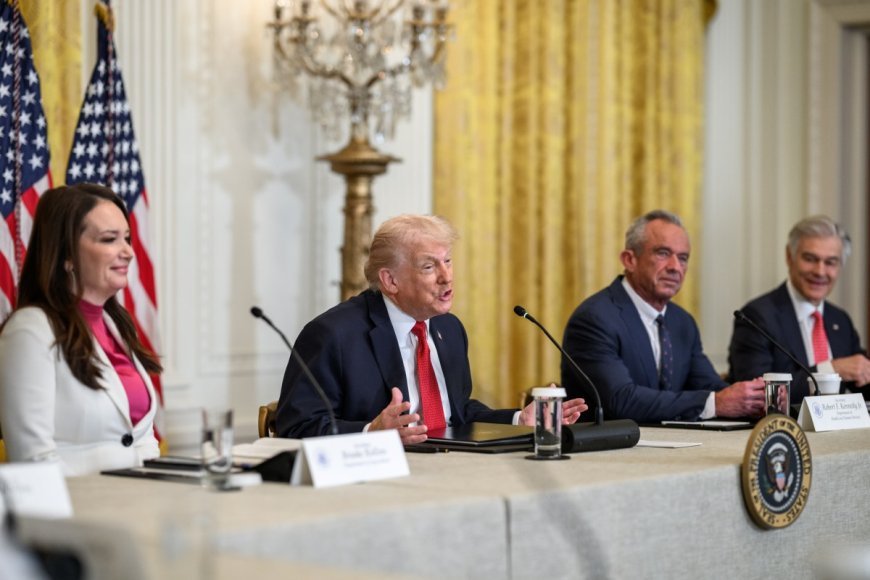
At the core of Trump’s foreign policy worldview lies a rejection of postwar liberal internationalism’s institutional scaffolding. For decades, the United States operated as the principal architect and guarantor of a multilateral system designed to distribute risk, stabilize markets, and embed American leadership within shared governance structures. Trump has instead advanced a doctrine that privileges direct power relationships over consensus-driven frameworks. The result is not isolationism in the classical sense, but rather a recalibration of influence in which bilateral negotiations, economic coercion, and military deterrence are deployed as integrated instruments of statecraft. The United Nations, in this conception, is less a forum for collective legitimacy than a venue constrained by structural paralysis and ideological contestation. Trump’s skepticism toward the institution reflects a broader strategic thesis: that sovereignty, not multilateral process, is the primary currency of geopolitical authority.
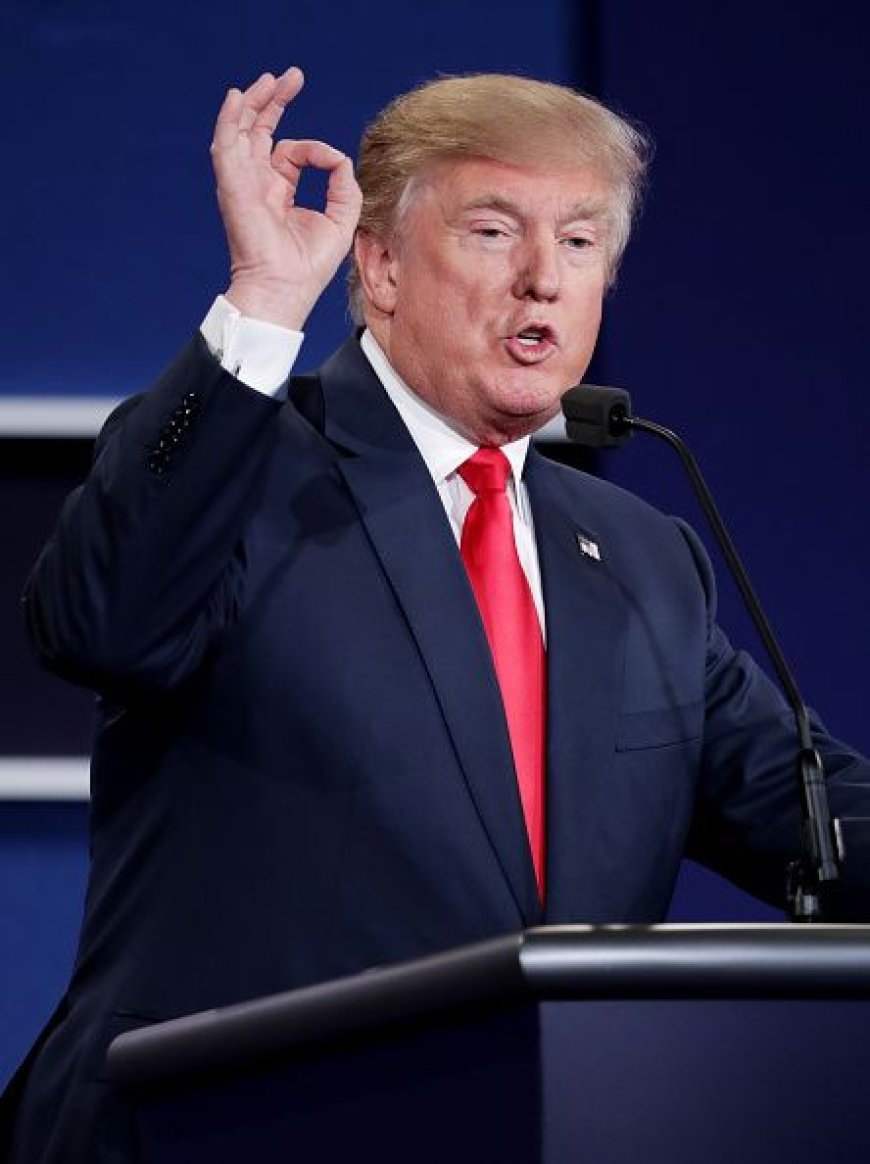
This recalibration is most evident in the transformation of alliance dynamics, particularly within NATO. Trump’s insistence that member states assume greater responsibility for defense expenditures is not merely a fiscal demand but a structural intervention into the alliance’s operational logic. By reframing burden-sharing as a condition of American security guarantees, the administration has sought to convert NATO from a U.S.-anchored security umbrella into a more balanced deterrence network. Critics interpret this approach as a weakening of transatlantic solidarity, yet its proponents argue that redistributing obligations ultimately enhances long-term resilience by reducing dependency and clarifying mutual commitments. The broader strategic implication is a shift away from the United States as a default security provider toward a model in which allies must internalize the costs of geopolitical stability.
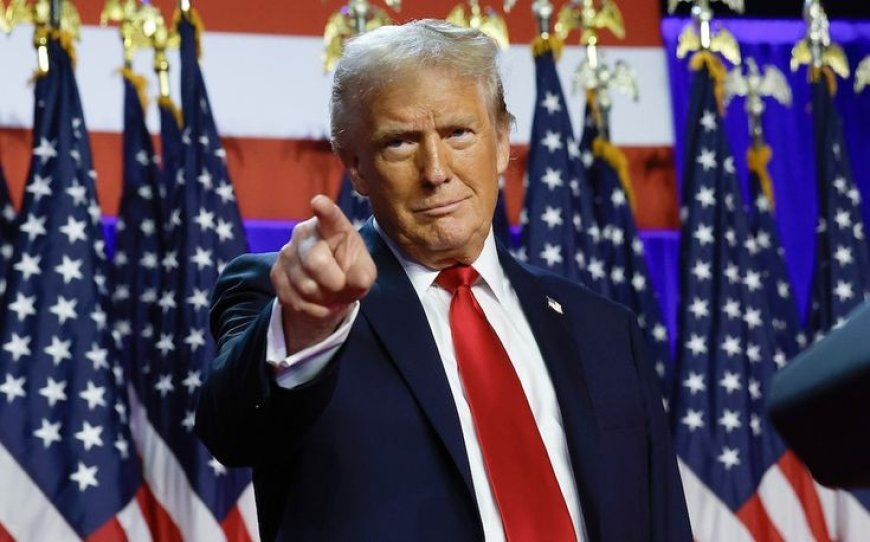
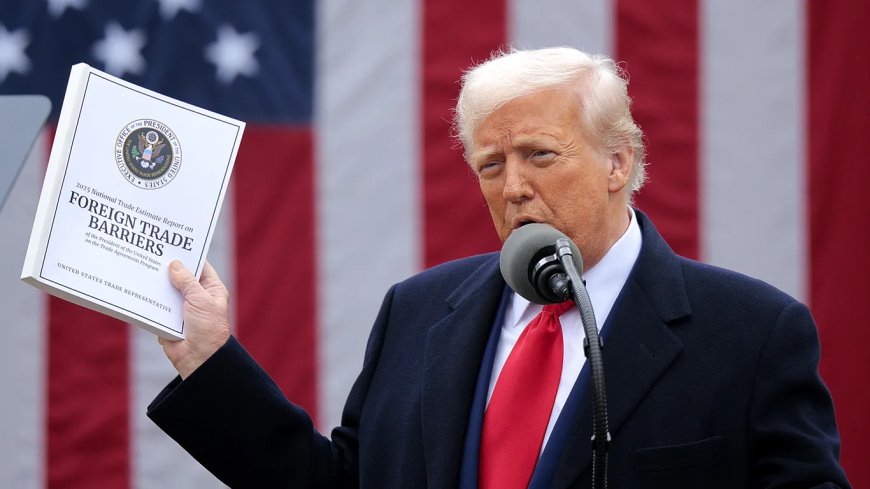
Economic policy under Trump functions as a parallel theater of geopolitical influence. Trade is no longer treated as a domain separate from security considerations but as a central mechanism for shaping international behavior. Tariffs, investment restrictions, and supply chain controls are deployed as instruments of strategic pressure designed to recalibrate global economic alignments. This fusion of economic leverage with foreign policy objectives reflects a worldview in which financial interdependence is both vulnerability and opportunity. By linking trade access to political compliance, the administration seeks to transform global markets into arenas of negotiated power rather than neutral platforms of exchange. The emphasis on equitable trade agreements is therefore inseparable from a broader effort to reassert national autonomy within an era defined by economic globalization.

Nowhere is the doctrine’s operational logic more pronounced than in the Arctic and North Atlantic strategic space. Trump’s maximalist rhetoric regarding Greenland, including the controversial suggestion of acquisition, functioned less as literal territorial ambition than as a bargaining posture designed to secure expanded military presence and investment influence. The resulting arrangements, which deepen U.S.-Danish defense cooperation while limiting external strategic encroachment, illustrate a recurring pattern within Trump’s diplomacy: the use of disruptive proposals to reset negotiation parameters and extract structural concessions. In this framework, provocation is not deviation but method, intended to alter perceived power balances and compel recalibration among both allies and competitors.
The Middle East represents the most intensive testing ground for this strategic architecture. Trump’s regional policy is anchored in the premise that stability emerges not from ideological alignment but from converging interests among state actors seeking security and economic development. The expansion and institutionalization of the Abraham Accords exemplify this approach, reframing Arab-Israeli relations through a lens of pragmatic cooperation rather than historical antagonism. By positioning economic integration as a foundation for political normalization, the administration has attempted to construct a regional order in which prosperity functions as a stabilizing force capable of reducing conflict incentives.
This vision extends to the Israeli-Palestinian question, where Trump’s framework emphasizes economic development as a precursor to political settlement. The administration’s proposed governance structures and investment initiatives for Gaza reflect a belief that material opportunity can reshape the calculus of conflict. Whether such assumptions adequately address questions of sovereignty and self-determination remains a subject of intense debate among policymakers and scholars. Nevertheless, the doctrine’s underlying logic is consistent: geopolitical disputes are best resolved through negotiated power arrangements reinforced by economic incentives and security guarantees.
Trump’s alignment with key Arab states further underscores the transactional nature of his diplomacy. By cultivating strategic partnerships with Saudi Arabia, Egypt, the United Arab Emirates, Qatar, and Jordan, the administration has pursued a regional coalition architecture designed to distribute security responsibilities while amplifying American influence. This networked approach allows Washington to project power indirectly, leveraging local actors to manage regional conflicts and contain destabilizing forces. The emphasis on regional coalitions reflects a broader shift toward flexible, interest-based alignments rather than rigid alliance structures rooted in ideological solidarity.
Iran constitutes the principal exception to Trump’s willingness to pursue negotiated equilibrium. Within the administration’s strategic framework, Tehran is viewed not as a potential stakeholder in regional order but as a systemic disruptor whose capabilities must be constrained or neutralized. This posture is grounded in the belief that Iranian influence, exercised through proxy networks and nuclear development ambitions, represents a structural challenge to both regional balance and global nonproliferation norms. The willingness to employ direct military action, combined with economic sanctions and diplomatic isolation, signals a doctrine that prioritizes deterrence through demonstrated resolve rather than incremental engagement.
The broader implications of the America First doctrine extend beyond specific policies to the evolving nature of global leadership itself. Trump’s approach reflects a transition from rules-based hegemony to negotiated primacy, in which influence is continuously renegotiated through displays of capability and leverage. This transformation carries significant consequences for international governance, alliance cohesion, and the future of multilateral institutions. By redefining leadership as a function of bargaining power rather than institutional stewardship, the doctrine challenges the foundational assumptions that shaped the post-World War II order.
Whether this recalibration produces lasting stability or accelerates systemic fragmentation remains an open question. Supporters argue that restoring national strength and strategic clarity deters adversaries and compels allies to assume greater responsibility for collective security. Critics contend that the erosion of cooperative frameworks risks amplifying uncertainty and competitive escalation. What is clear is that Trump’s foreign policy has initiated a structural debate about the nature of American power in an era defined by multipolar competition and shifting economic gravity.
The enduring significance of this doctrine lies not merely in its immediate outcomes but in its redefinition of how the United States conceptualizes its role in the world. By privileging sovereignty, leverage, and transactional alignment, Trump has advanced a vision of global order rooted in strategic realism rather than institutional idealism. The long-term trajectory of international politics may ultimately hinge on whether this model proves adaptive to emerging geopolitical realities or accelerates the transformation of a system already under strain.
Advertisement