Whoopi Goldberg Rebukes Trump Over Controversial Lion King Video
A public clash erupts after Donald Trump shares a controversial Lion King-themed video, prompting Whoopi Goldberg to condemn its imagery and implications
 Ronald
Advertisement
A new cultural flashpoint has emerged at the intersection of politics, media and celebrity commentary after Whoopi Goldberg publicly criticized President Donald Trump for sharing a controversial Lion King-themed video that sparked widespread debate over symbolism, race and the increasingly blurred boundaries between political messaging and entertainment culture. The episode, though rooted in a seemingly trivial piece of digital media, reflects a broader pattern in contemporary American public life in which political authority, celebrity voice and cultural narrative collide in highly visible and emotionally charged ways.
Advertisement
Advertisement
Advertisement
Advertisement
The controversy centers on a video circulated through Trump’s social media channels that portrayed prominent political figures through animated animal imagery. The depiction prompted immediate backlash not only for its content but for what critics described as its racial and symbolic undertones. Goldberg, an established cultural figure with a longstanding connection to the original 1994 Disney film through her role as a voice actor, responded publicly by challenging both the substance and the cultural framing of the video. Her remarks framed the issue less as a question of satire and more as a reflection of the broader tone of political discourse in the digital age.
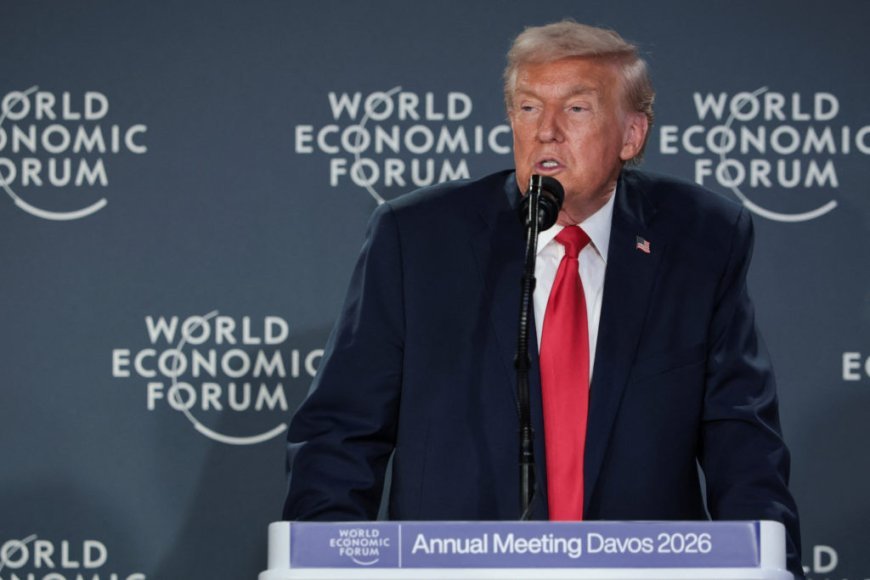
The exchange illustrates how cultural artifacts increasingly function as vehicles for political expression. In previous eras, disputes between political leaders and entertainers often revolved around policy or public commentary. In the current environment, however, visual media, internet culture and symbolic imagery operate as central instruments of political communication. The result is a form of discourse in which meaning is conveyed through references recognizable to mass audiences, transforming entertainment properties into contested terrain within ideological conflict.
Goldberg’s response also highlights the growing role of entertainment figures as participants in political narrative formation. The modern media ecosystem amplifies celebrity voices to an extent that places them alongside traditional political actors in shaping public perception. Her critique, delivered through a widely viewed daytime television platform, demonstrates how cultural commentary can rapidly influence the framing of political events, particularly when those events intersect with widely recognized symbols of popular culture.
The broader significance of the episode lies not solely in the specific imagery at issue but in the dynamics of representation and power it reflects. Political communication increasingly relies on emotionally resonant visual shorthand capable of mobilizing support or opposition without extended argumentation. Such imagery, while effective in capturing attention, also carries heightened potential for controversy when it engages historical sensitivities or cultural narratives tied to identity and race. The resulting disputes often extend beyond the original content to encompass larger questions about the tone and boundaries of political expression.
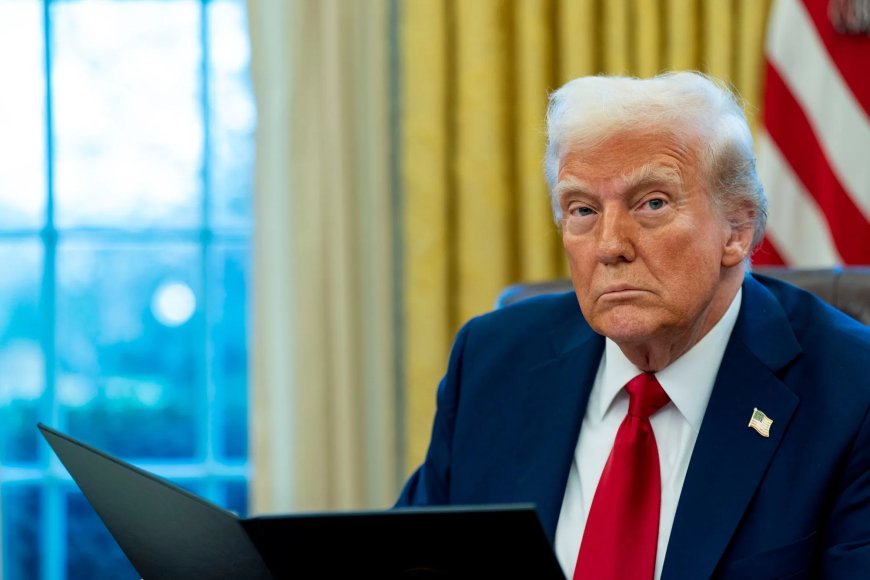
The response from other public figures further underscores how such moments can become arenas for wider political commentary. Media personalities and commentators have framed the incident as indicative of broader cultural tensions shaping American political life, where personal rivalry, symbolic competition and narrative control frequently intersect. These reactions reveal how cultural controversy now functions as a proxy battleground for deeper ideological divisions.
The episode also reflects an evolving strategy in political communication that prioritizes spectacle and provocation as tools for maintaining public attention. In an environment defined by rapid information cycles and fragmented media consumption, controversy itself becomes a mechanism of visibility. The circulation of provocative content can generate sustained public engagement regardless of whether that engagement manifests as support or criticism. This dynamic contributes to a political culture in which reaction often becomes as consequential as policy.
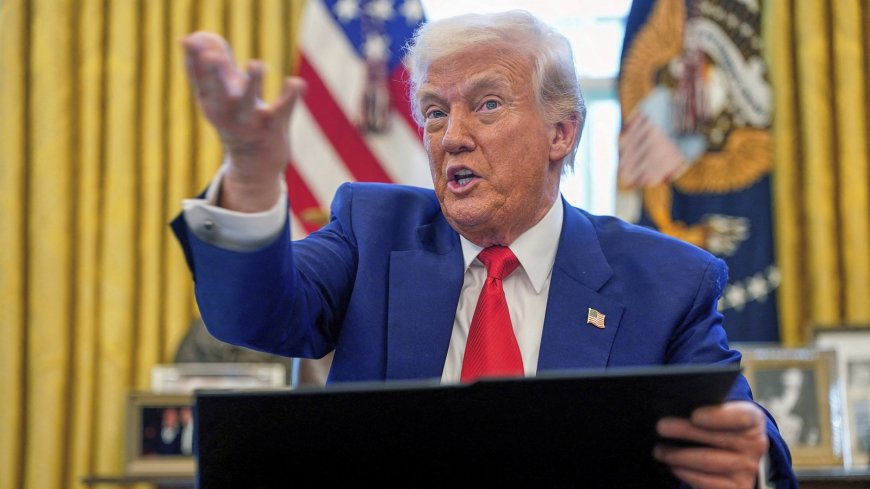
At the same time, the controversy illustrates the challenges facing cultural institutions and public discourse in an era of heightened polarization. Entertainment properties once regarded primarily as shared cultural reference points are increasingly drawn into partisan conflict. The reinterpretation of familiar symbols within political narratives reflects a broader shift in which common cultural language no longer functions as neutral ground but as contested territory shaped by competing interpretations.
The public exchange between Goldberg and Trump therefore extends beyond a dispute over a single video. It represents a case study in how contemporary political culture operates at the intersection of media spectacle, symbolic representation and ideological conflict. As political communication continues to incorporate elements of entertainment and digital culture, similar flashpoints are likely to remain a recurring feature of public life.
In this environment, the boundaries between governance, celebrity influence and cultural narrative continue to erode, producing a public sphere in which symbolic gestures carry strategic weight and cultural commentary assumes political significance. The controversy surrounding the Lion King imagery serves as another illustration of how modern political discourse unfolds not only through policy debate but through the contested meaning of the cultural symbols that shape collective perception.
Advertisement