Trump’s Coal Champion Title and Tariff Pressure Reveal a Consolidated Economic Nationalism Agenda
Recognition from a coal industry group and tariff threats against Canada underscore Trump’s intensifying economic nationalism and its implications for U.S. policy.
 Ronald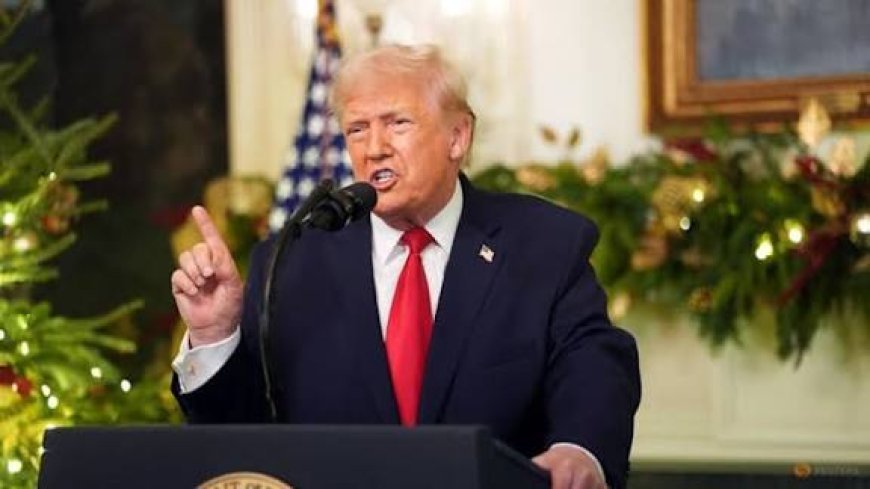
Advertisement
The convergence of energy symbolism and trade confrontation in recent statements and actions by U.S. President Donald Trump offers a revealing window into the architecture of his governing philosophy. The Washington Coal Club’s decision to name Trump the “Undisputed Champion of Coal” is not merely an industry commendation but a political marker that aligns with a broader strategy centered on economic nationalism, industrial revival, and the consolidation of executive influence over trade and regulatory policy. At the same time, Trump’s explicit warning to congressional Republicans against opposing his tariff measures targeting Canada illustrates how economic policy has become an instrument not only of international leverage but also of domestic political discipline.
Advertisement
Advertisement
Advertisement
Advertisement
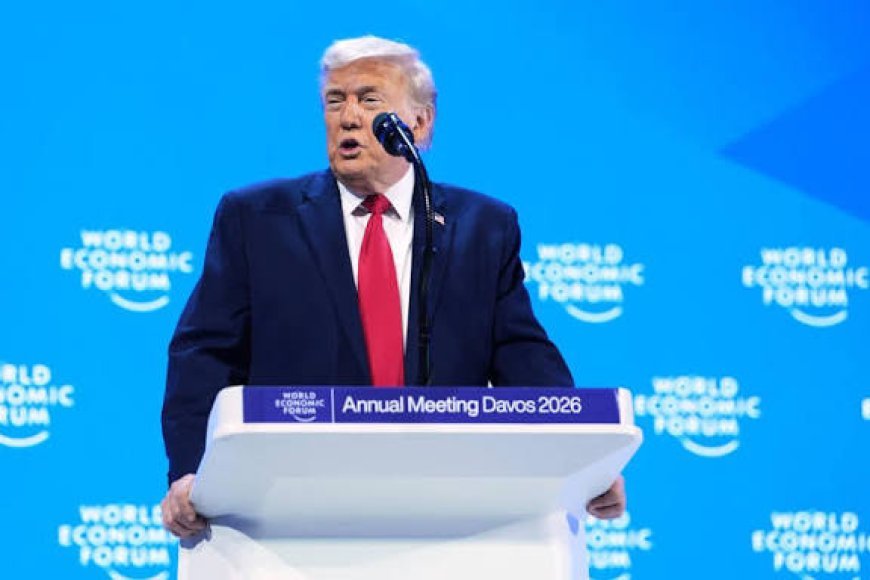
Taken together, these developments illuminate a presidency that increasingly treats energy production and trade enforcement as mutually reinforcing pillars of national power. The symbolism of coal, an industry often invoked as shorthand for industrial-era resilience and domestic production capacity, intersects with a protectionist trade posture that frames economic relationships through the language of competition rather than interdependence. In this framework, recognition from an industry organization and the imposition of tariffs are not separate policy domains but expressions of a unified doctrine: the prioritization of domestic economic sovereignty over multilateral accommodation.
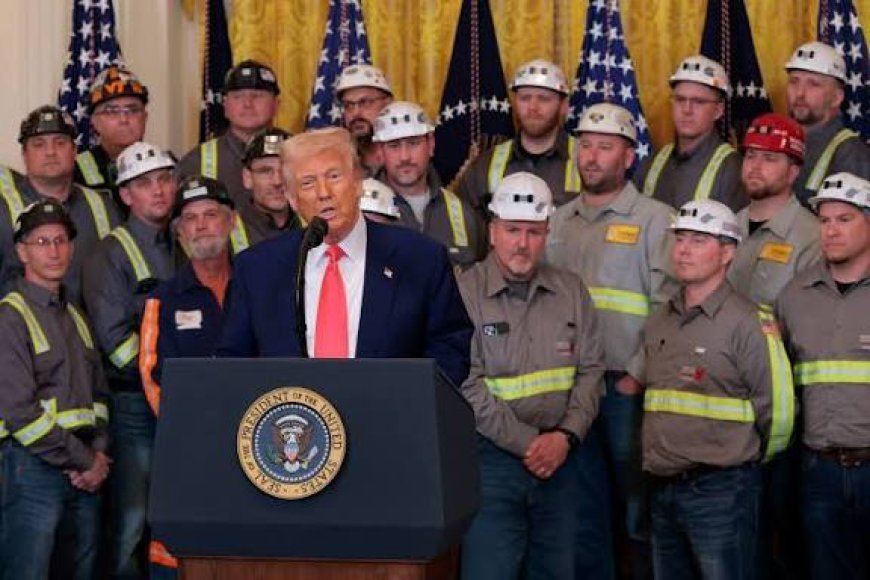
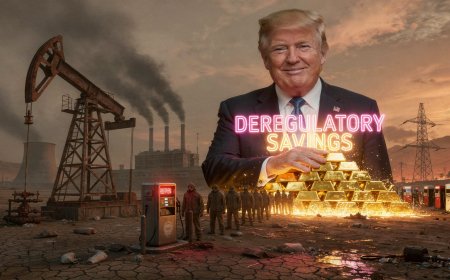
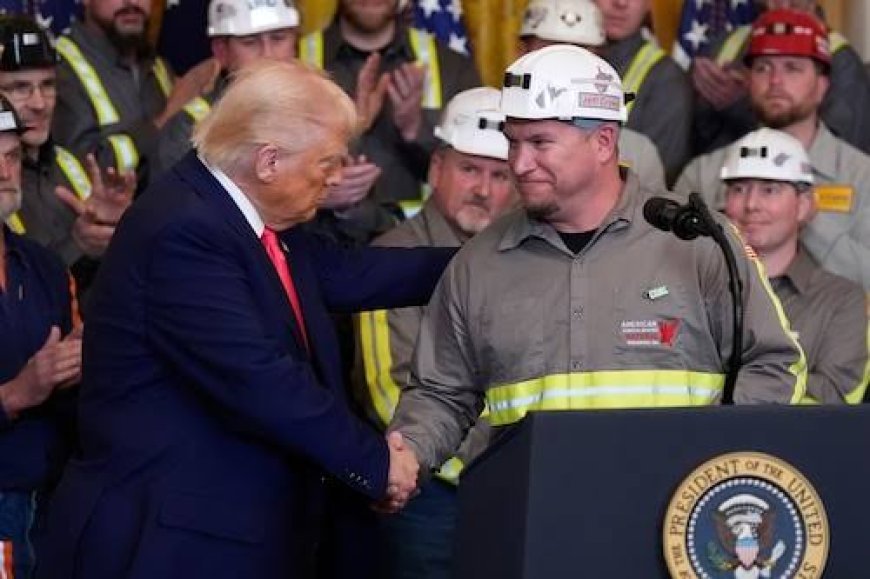
The Washington Coal Club’s accolade arrives amid renewed policy signals emphasizing traditional energy sectors within the national economic agenda. Coal’s practical share in the American energy mix may have diminished over decades of market transition, yet its political resonance endures as a proxy for broader debates about globalization, technological displacement, and regional economic identity. By accepting and amplifying such recognition, Trump reinforces a narrative that positions legacy industries not as remnants of a fading economic order but as strategic assets capable of underpinning national strength.
This positioning carries implications that extend beyond symbolic politics. Energy policy in the contemporary global economy is inseparable from questions of geopolitical leverage, infrastructure security, and technological competition. By foregrounding coal within his policy rhetoric, Trump signals a departure from prevailing international trends that emphasize decarbonization and energy transition. The move does not merely reflect a regulatory preference but a redefinition of the relationship between environmental governance and industrial strategy, privileging immediate production capacity and employment considerations over long-term climate frameworks that dominate global policy discourse.
Parallel to this energy agenda, Trump’s stance on trade with Canada underscores the administration’s willingness to deploy economic instruments as tools of political authority. His warning that Republican lawmakers who supported efforts to rescind tariffs would face electoral consequences reveals an approach to governance in which policy disagreement is framed as a test of loyalty to a broader economic doctrine. The largely symbolic congressional resolution opposing the national emergency declaration used to justify tariffs nonetheless exposed fractures within the president’s own party, illustrating the tension between institutional autonomy and executive influence.
The tariff dispute itself reflects deeper structural currents in North American economic relations. For decades, trade integration between the United States and Canada has been anchored in mutual dependence across supply chains, energy markets, and manufacturing sectors. By invoking the language of exploitation and competitive imbalance, Trump reframes this relationship in zero-sum terms that challenge the foundational assumptions of continental economic cooperation. His assertion that tariffs represent an uncomplicated national victory encapsulates a worldview in which trade policy functions less as a mechanism for shared growth than as a strategic assertion of dominance.
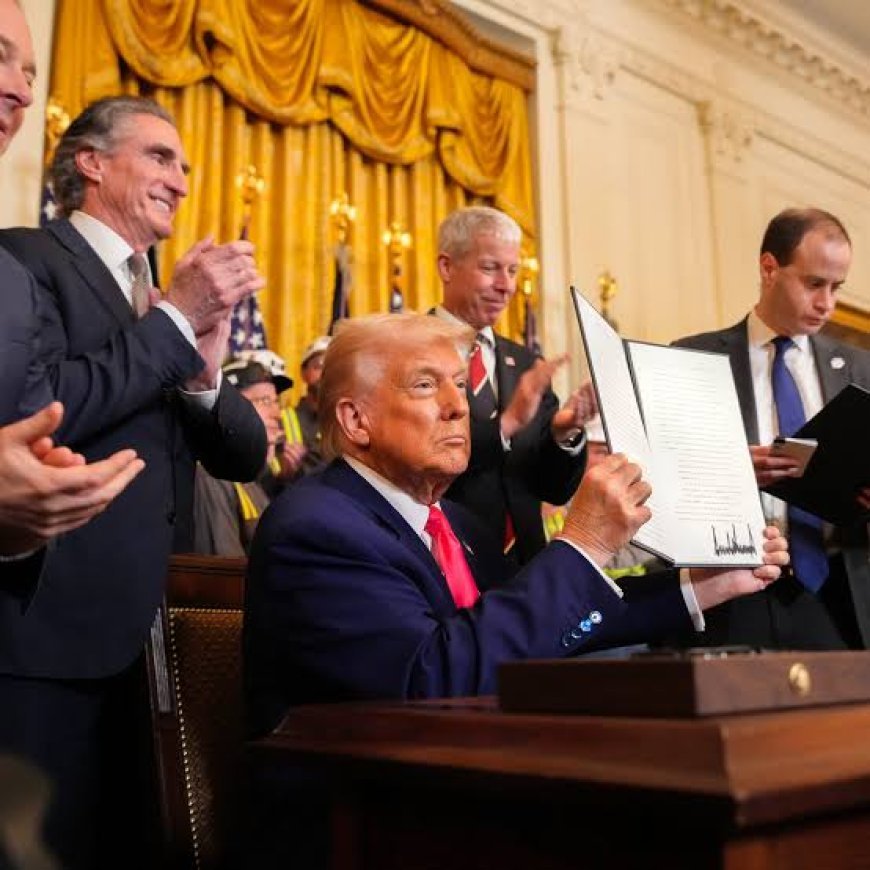
Domestic political dynamics further amplify the significance of this posture. By linking trade policy to electoral consequences for dissenting legislators, the administration reinforces a model of political authority that merges economic governance with partisan cohesion. The warning directed at Republican lawmakers illustrates how economic nationalism operates not only as an external strategy but also as a mechanism for internal party alignment. In this context, policy becomes both substance and signal, shaping market outcomes while simultaneously delineating the boundaries of acceptable political behavior.

Internationally, the implications of this approach extend beyond bilateral relations with Canada. Trade enforcement and energy prioritization intersect with global perceptions of American leadership at a time when economic governance is increasingly defined by competing models of state intervention. Allies and competitors alike interpret tariff measures and fossil fuel advocacy as indicators of the United States’ strategic trajectory, influencing negotiations on trade standards, environmental commitments, and industrial cooperation. The cumulative effect is a recalibration of expectations regarding Washington’s role in shaping the rules of global economic engagement.
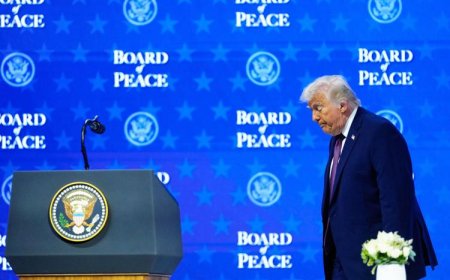
The juxtaposition of Trump’s earlier aspirations for international recognition with his current alignment with domestic industrial interests underscores a broader transformation in the metrics of political success. Rather than seeking validation through multilateral frameworks or diplomatic accolades, the administration appears to define achievement through tangible assertions of economic sovereignty. Recognition from an industry group, the enforcement of tariffs, and the consolidation of policy authority collectively form a narrative of governance rooted in national assertion rather than global consensus.
Yet the durability of this strategy remains subject to structural constraints. Energy markets continue to evolve under technological and financial pressures that transcend national policy frameworks, while global trade networks remain deeply interconnected despite rising protectionist sentiment. The tension between economic nationalism and systemic interdependence therefore defines the strategic environment in which these policy choices unfold. Trump’s actions signal a deliberate attempt to reshape that environment, but the long-term outcomes will depend on how domestic priorities interact with international realities that no single administration can fully control.
Ultimately, the recognition of Trump as a champion of coal and his uncompromising stance on tariffs against Canada are not isolated episodes but elements of a coherent political economy vision. They reveal an administration intent on redefining the relationship between the American state, domestic industry, and global markets. In doing so, they also illuminate a broader transformation in the language of power itself, where economic policy is no longer merely a domain of technocratic management but a central arena of political identity, strategic rivalry, and national narrative formation.
Advertisement