Trump Threatens to Block Detroit–Canada Bridge Opening Amid Trade Tensions
President Donald Trump is threatening to block the opening of a major U.S.-Canada bridge unless ownership terms change, intensifying trade tensions between the two allies.
 Ronald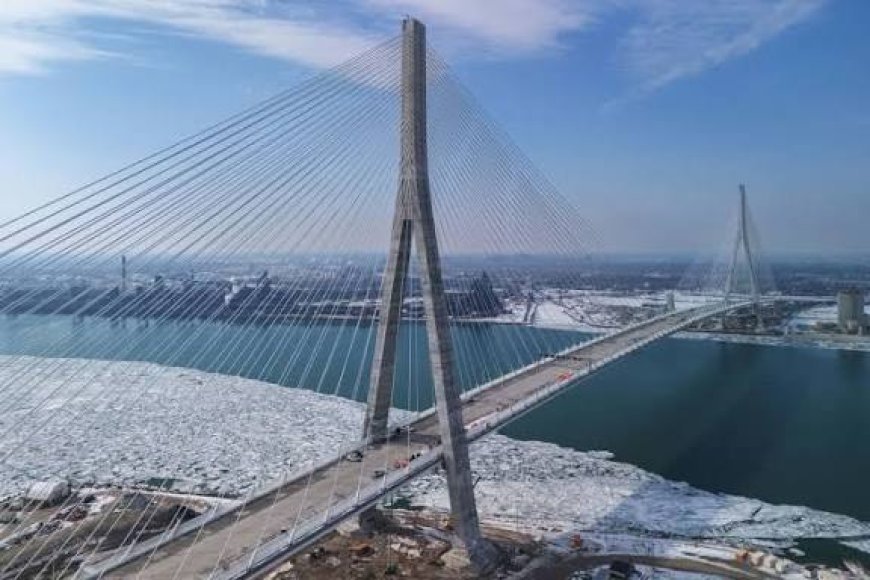
Advertisement
President Donald Trump has threatened to block the opening of the Gordie Howe International Bridge between Detroit and Windsor, escalating tensions with Canada and injecting new uncertainty into a major cross-border infrastructure project.
Advertisement
Advertisement
Advertisement
Advertisement
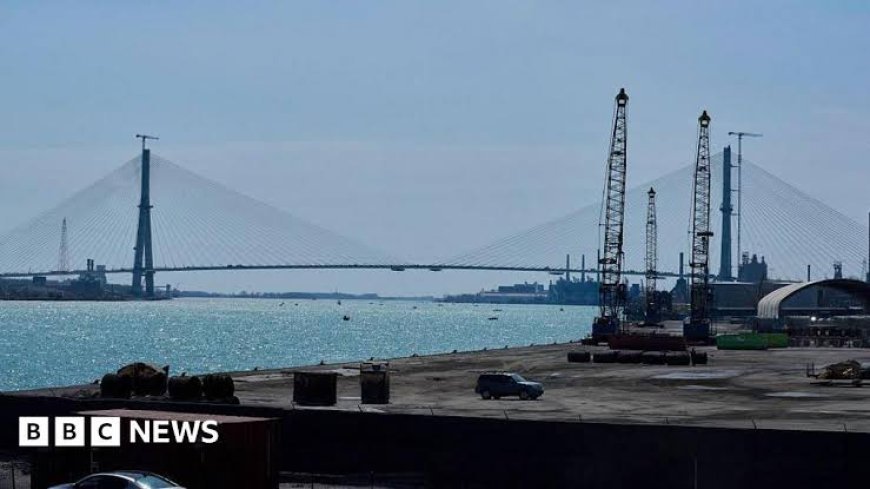
In a social media statement, Trump demanded that Canada transfer at least partial ownership of the bridge to the United States, arguing that the U.S. should receive a direct stake in an asset he says benefits Canada disproportionately. He also criticized the project’s construction materials and broader trade dynamics between the two countries.
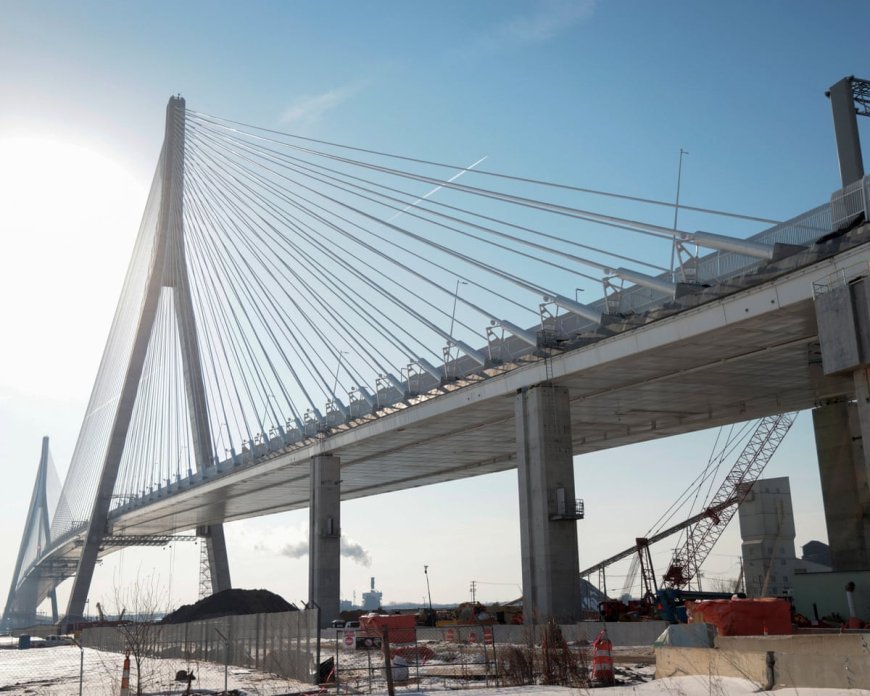
The bridge, funded by Canada and under construction since 2018, was designed to ease congestion at one of North America’s busiest trade corridors. It is expected to significantly improve cargo movement between the U.S. Midwest and Canada, supporting manufacturing supply chains and regional commerce.
Officials have not clarified how the federal government could prevent the bridge from opening, and both U.S. and Canadian authorities have provided limited public comment on the threat. The project is structured under a joint operational framework involving Michigan and Canadian authorities despite Canada financing construction.
The dispute comes amid broader strains in U.S.-Canada relations as trade negotiations approach a scheduled review of the United States-Mexico-Canada Agreement. Trump has taken an increasingly confrontational stance on cross-border trade, including tariff threats and demands for revised economic arrangements.
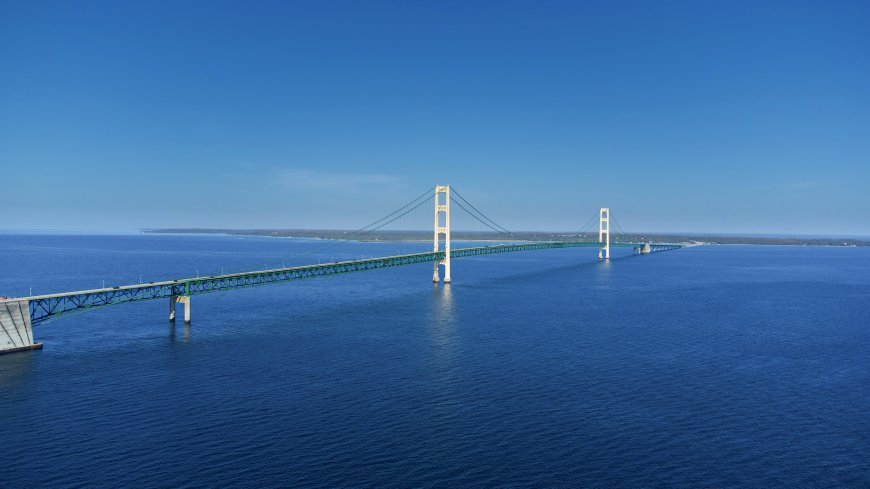
Michigan leaders across party lines have emphasized the bridge’s economic importance. Supporters argue the project will strengthen regional industry, accelerate freight movement, and support jobs tied to the auto sector and cross-border commerce.
Political reactions in Michigan have ranged from concern to dismissal, with several officials expressing confidence that the bridge will open as planned. Advocates describe the project as a symbol of binational cooperation and a strategic asset for North American trade.
The dispute highlights how infrastructure projects have become entangled in wider geopolitical and economic tensions, with trade relationships increasingly shaped by political bargaining as well as economic priorities.
Advertisement