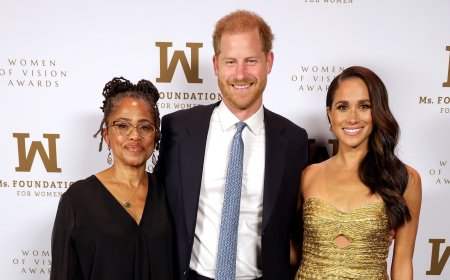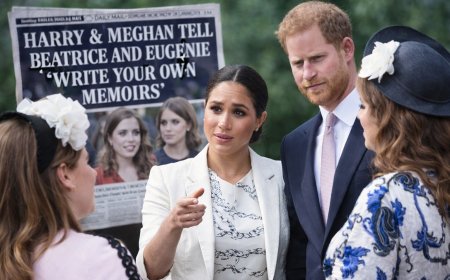
Prince Harry And Meghan Markle Face Archewell Shake-Up As James Holt Steps Down
Prince Harry and Meghan Markle’s Archewell organization enters a new phase after longtime adviser James Holt steps down, following staff exits, restructuring, and a strategic philanthropic reset
 Ronald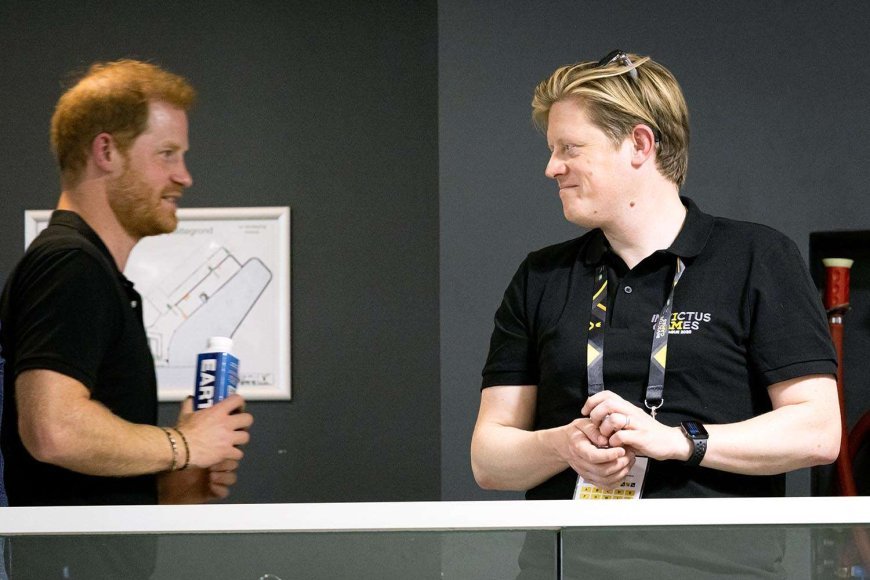
Advertisement
The philanthropic narrative surrounding Prince Harry and Meghan Markle has entered a decisive and quietly revealing phase, following the confirmed departure of James Holt from his role as executive director of Archewell Foundation, a move that signals not collapse but recalibration, and raises broader questions about the future shape of the Sussexes’ philanthropic ambitions.
Advertisement
Advertisement
Advertisement
Advertisement
Announced on January 29, Holt’s exit marks the end of a long-standing chapter within the Sussex inner circle, as he has been one of Prince Harry’s most trusted advisers for nearly a decade, operating behind the scenes across charitable initiatives, global advocacy, and the post-royal transition that redefined Harry and Meghan’s public and professional identities.
During his tenure at Archewell, Holt oversaw a wide-ranging portfolio of initiatives, including mental health programs for British military personnel, humanitarian support for injured children in Gaza, and advocacy work addressing online harm and digital safety for families, a cause Holt himself described as deeply meaningful on both a professional and personal level.
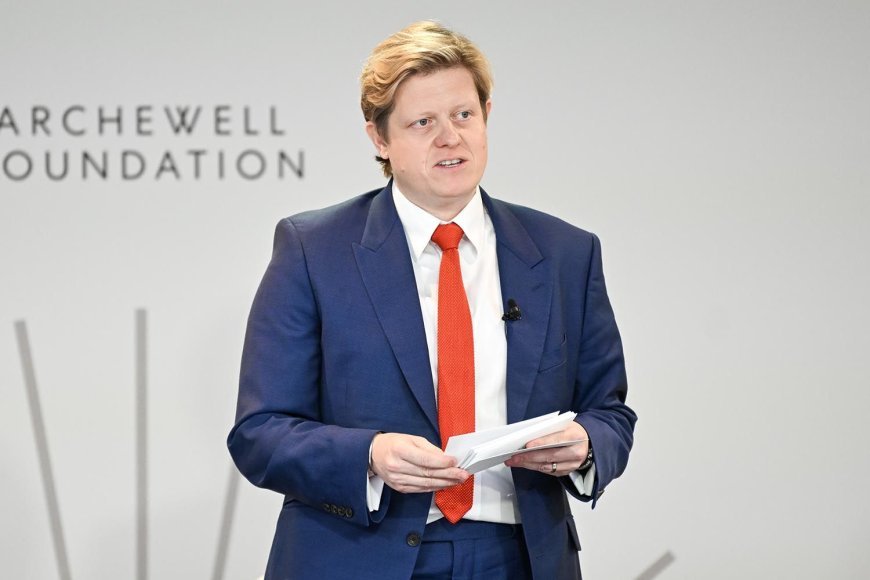
His decision to step down, however, was framed not as a strategic disagreement or internal conflict, but as a personal and logistical shift, driven by his desire to relocate his family back to London after five years in Los Angeles, a reminder that even high-profile philanthropic leadership carries personal costs often invisible to the public.
Importantly, Holt is not disappearing from the Sussex ecosystem entirely, as he will continue to work with Archewell in the capacity of a senior philanthropic adviser, supporting overseas humanitarian engagements and contributing to initiatives planned for 2026, ensuring continuity of vision even as operational leadership changes hands.
Prince Harry and Meghan Markle publicly acknowledged Holt’s contributions with a statement praising his enthusiasm, talent, and unwavering dedication over nearly ten years, emphasizing their pride in his continued involvement and framing the transition as collaborative rather than corrective, a message clearly designed to project stability amid change.
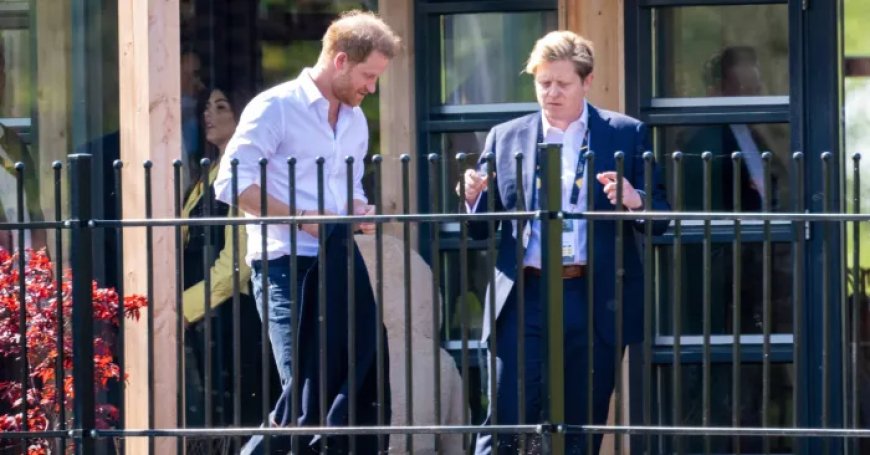
Holt’s departure follows closely behind another notable exit, that of Meredith Mains, the Sussexes’ chief communications officer, who stepped down in December after approximately ten months in the role, during which she oversaw messaging for Archewell’s nonprofit activities, business ventures, and the couple’s wider public profile.
Although Mains remained briefly during a transition period, her short tenure has fueled renewed scrutiny around communications continuity, particularly as Liam Maguire continues as UK and Europe director of communications, focusing largely on Prince Harry’s engagements and ensuring consistency across transatlantic media landscapes.
These staffing shifts coincide with a significant structural evolution within Archewell itself, including a reported move toward a fiscal sponsor operating model, a decision that resulted in the dismissal of several junior administrative staff roles as part of a broader effort to streamline operations and reduce internal overhead.
A spokesperson for the Sussexes acknowledged that some redundancies were unavoidable under the new model, expressing gratitude for the contributions of departing staff while emphasizing that the changes were necessary to ensure long-term sustainability and operational efficiency.
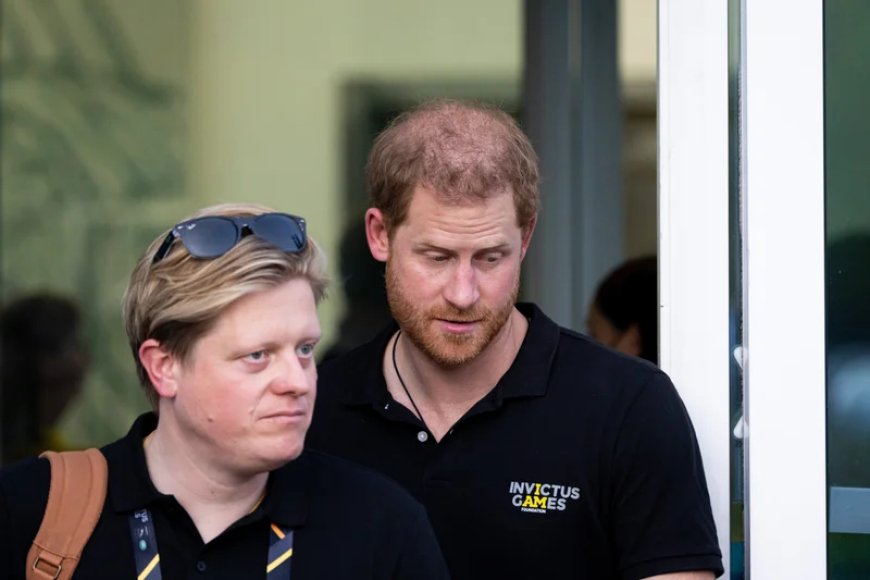
Under a fiscal sponsorship structure, Archewell would partner with an established nonprofit entity to manage administrative and financial oversight, allowing the Sussex organization to focus more directly on program delivery, fundraising, and advocacy, a model increasingly adopted by modern philanthropic ventures seeking flexibility without sacrificing compliance.
The timing and scale of these changes have inevitably prompted questions about stability, particularly given the departure of senior figures like Holt, whose institutional knowledge and trusted advisory role were central to Archewell’s early identity and execution.
Supporters argue the restructuring reflects organizational maturation rather than instability, while critics see a familiar pattern of turnover within Sussex-led ventures, underscoring the challenges of maintaining continuity in high-profile, values-driven organizations operating under constant scrutiny.
What remains unchanged is Harry and Meghan’s public commitment to philanthropy, as evidenced by continued charitable appearances, sustained advocacy for mental health and social justice causes, and ongoing investment in initiatives aligned with their stated values, even as the machinery behind the scenes undergoes adjustment.
The evolution of the Archewell Foundation now stands at a critical inflection point, where the success of new leadership structures, the effectiveness of the fiscal sponsor model, and the clarity of long-term vision will determine whether the organization emerges leaner and more impactful, or struggles to maintain momentum amid transition.
As with much of the Sussex story, the significance of these developments will not be measured by immediate headlines, but by outcomes over time, as Prince Harry and Meghan Markle attempt to translate personal conviction into durable philanthropic legacy, one capable of surviving both internal change and external scrutiny.
Advertisement