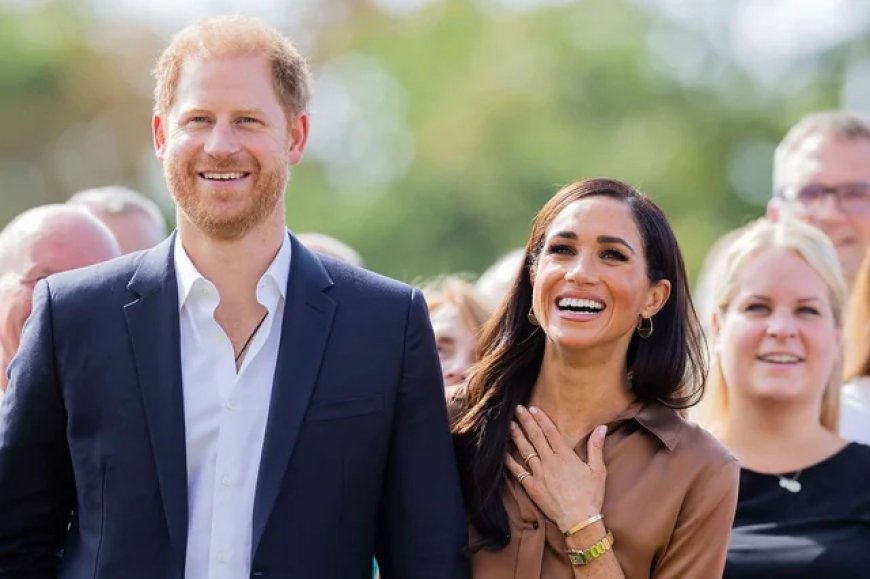
What once appeared to be a closed chapter in royal history is quietly reopening, not through public statements or carefully curated interviews, but through a deeply personal conflict unfolding behind palace walls and California gates, as Prince Harry and Meghan Markle reportedly find themselves on opposite sides of an emotionally charged debate over whether their future includes a meaningful return to the United Kingdom, a question that cuts far deeper than geography and reaches into unresolved trauma, fractured family bonds, and the lingering weight of royal identity.
This is not a discussion about convenience or temporary visits framed by charity appearances and brief reunions, but a fundamental disagreement over belonging, safety, and emotional survival, one that sources close to the couple suggest has become a recurring and increasingly difficult conversation, resurfacing again and again without resolution and placing undeniable strain on a marriage already shaped by years of public scrutiny and private sacrifice.
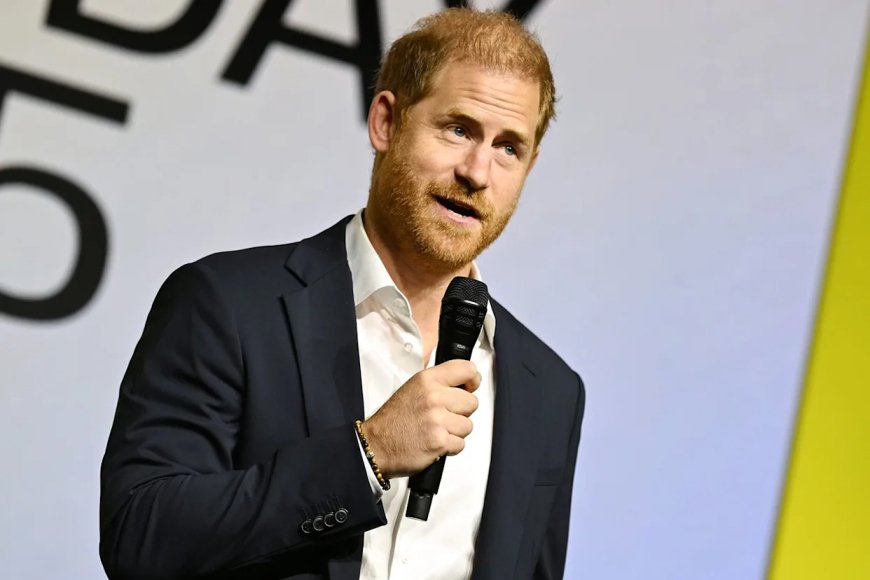
For Harry, the pull of Britain is described as both emotional and urgent, rooted in childhood memory, duty, and an unshakable sense that time is no longer an abstract concept but a rapidly closing window, particularly as concerns surrounding King Charles III and his health sharpen the reality that reconciliation delayed may soon become reconciliation denied, a thought that reportedly weighs heavily on a son who, despite walking away from royal life, never fully severed his emotional ties to home.
Those close to the duke suggest that his desire to reestablish a more permanent presence in the UK is driven by more than nostalgia, instead reflecting a profound wish to repair relationships left fractured by years of distance, legal battles, and public fallout, with tentative timelines circulating that point toward 2026 as a possible turning point, a deadline that underscores his anxiety and his hope that meaningful healing might still be possible before circumstances harden beyond repair.
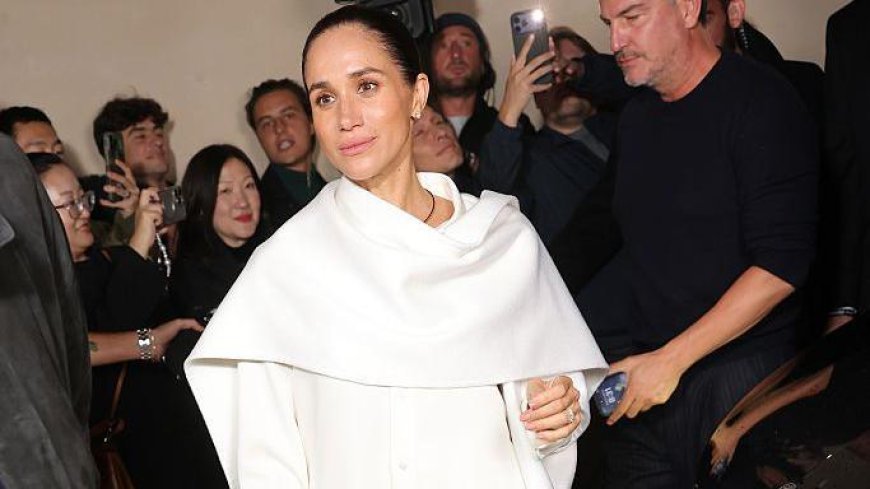
Meghan’s perspective, however, is said to be shaped by an entirely different emotional landscape, one marked by memories she has no desire to relive and experiences that remain deeply embedded in her sense of personal safety, as the United Kingdom represents not homecoming but a period defined by isolation, relentless scrutiny, and what she has long described as an absence of institutional protection at moments when it mattered most.
According to those familiar with her thinking, her resistance is not about defiance or leverage, but about self-preservation, with the UK symbolizing a chapter of her life associated with fear, anxiety, and emotional erosion, memories of constant surveillance and hostile press narratives that left lasting scars and fostered a belief that returning, especially in any sustained or semi-permanent way, would reopen wounds she has worked tirelessly to heal.
This clash of emotional realities has created a difficult stalemate, as Harry’s longing for reconnection collides with Meghan’s instinct to protect herself and their children from environments she associates with harm, forcing both to confront a truth that is uncomfortable yet unavoidable, that love does not always erase difference, and shared history does not automatically produce shared futures.
Complicating matters further is the life the Sussexes have painstakingly built in the United States, where autonomy, control, and narrative ownership have allowed them to pursue projects and identities on their own terms, far from the rigid hierarchies and traditions that once governed their every move, making any return to Britain feel, at least to Meghan, less like progress and more like regression.

Security remains a pivotal and unresolved factor in this debate, with Harry’s ongoing legal challenge against the Home Office over police protection standing as both a practical hurdle and a psychological flashpoint, since a favorable ruling could remove one of the most tangible barriers to UK visits while simultaneously intensifying Meghan’s fear that logistical solutions will be used to override her emotional boundaries.
Sources suggest she worries that once security concerns are addressed on paper, her objections will be reframed as emotional rather than practical, leaving her feeling cornered and unheard, a dynamic that echoes past experiences where her discomfort was minimized in favor of institutional expectation.
Adding yet another layer of intrigue is the couple’s recent property purchase in Portugal, a move widely interpreted as a strategic compromise that offers a European foothold without direct immersion in British royal life, allowing proximity without permanence and flexibility without surrender, though even this has failed to silence speculation that the UK remains an unresolved question rather than a closed door.
Whether the Portugal home represents a long-term solution or merely a pause in a much larger decision remains unclear, but its existence highlights the careful balancing act the Sussexes are attempting to maintain, navigating between past obligations and present realities while searching for a future that does not demand emotional sacrifice from either partner.
At its core, this situation exposes a fundamental divergence in values and priorities, with Harry’s identity still intertwined with lineage and legacy, and Meghan’s rooted firmly in emotional safety and forward motion, a contrast that neither love nor loyalty alone can easily reconcile.
The challenge they now face is not simply choosing a country, but choosing a framework for their lives that honors both personal well-being and shared commitment, without forcing one partner to relive trauma or the other to abandon unresolved ties, a task that requires compromise at a depth few couples are ever asked to reach.
As speculation continues and timelines quietly loom, the coming months may prove decisive, not just for the Sussexes’ relationship with Britain, but for the internal balance of their marriage itself, as the world watches with a mixture of fascination and concern, waiting to see whether understanding and mutual respect can bridge this divide, or whether this disagreement will become another fault line widening the distance between the Sussexes and the institution they once embodied.
What happens next will not only shape their personal future but will also stand as a stark illustration of the emotional cost of royal life, the difficulty of redefining identity after departure, and the enduring tension between duty and self-preservation, a reminder that behind every crown, title, and headline lies a deeply human struggle that no amount of privilege can entirely insulate.

 Ronald