Union Elections Fall Sharply After Trump Reshapes Federal Labor Board Authority
Union elections and worker participation declined significantly in 2025 following structural changes to the federal labor board under the Trump administration
 Ronald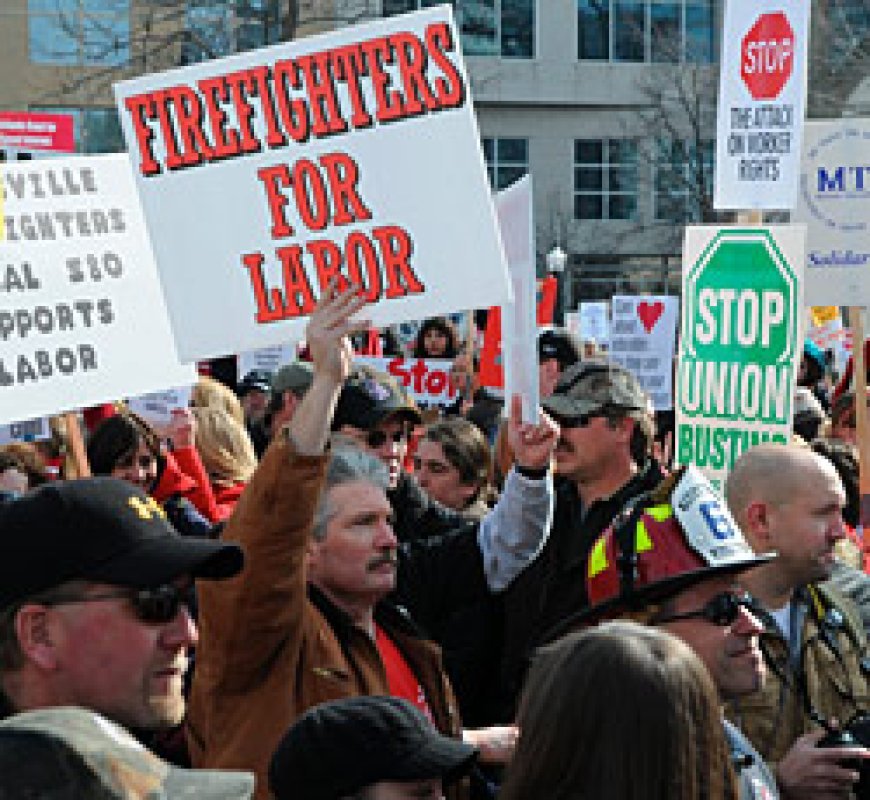
Advertisement
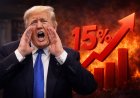
The sharp decline in union election activity across the United States in 2025 marks a consequential development in the evolving relationship between federal governance and organized labor. According to newly released analysis, the number of union elections conducted under the authority of the National Labor Relations Board (NLRB) fell by 30 percent within a single year, accompanied by a substantial drop in worker participation and a measurable decline in organizing success rates. These shifts occurred amid structural changes to the federal labor watchdog under President Donald Trump’s administration, raising broader questions about the durability of institutional protections for collective bargaining in an era defined by regulatory realignment and executive intervention.
Advertisement
Advertisement
Advertisement
Advertisement
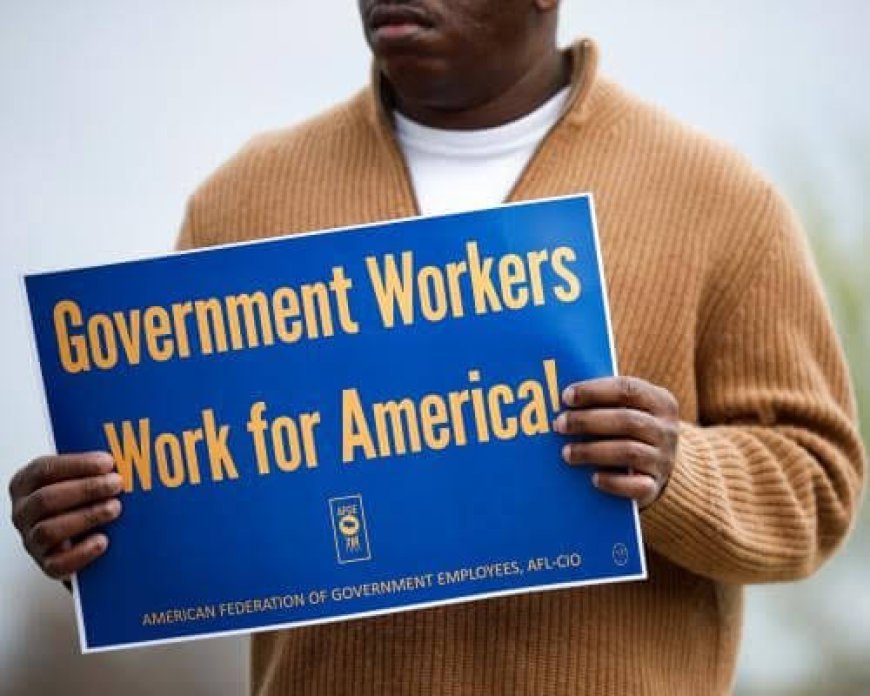
The numerical contraction is significant not merely as a statistical fluctuation but as an indicator of institutional capacity. The total number of union elections declined from 2,124 in 2024 to 1,498 in 2025, reversing a decade-long upward trajectory that had positioned union organizing at its most active level in years. Worker participation in those elections fell by 59,000 individuals, representing a 42 percent reduction from the prior year. Even the success rate of organizing campaigns, which had shown resilience in recent years, experienced a modest but meaningful decline, dropping to 69.8 percent after reaching 72 percent in 2023. Taken together, these figures point to a contraction not only in activity but in the structural conditions that make workplace organization viable.
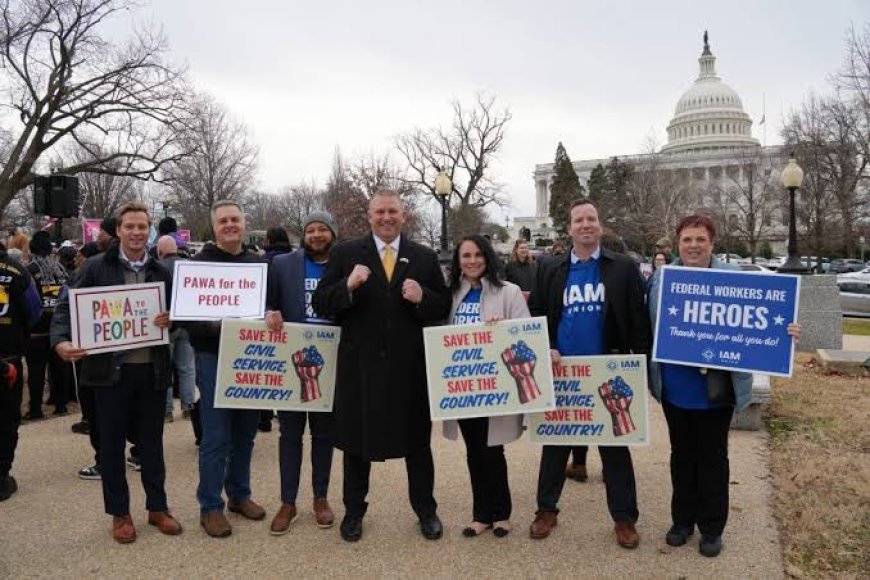
The institutional context surrounding these developments is central to understanding their significance. The NLRB, established to enforce labor law within the private sector and oversee the processes by which workers seek union representation, operates as both adjudicator and facilitator of collective bargaining rights. Its authority rests on a statutory mandate to implement the National Labor Relations Act, yet the practical reach of that authority is heavily shaped by its leadership composition and operational capacity. Changes to the board’s structure and staffing levels therefore carry consequences that extend beyond administrative procedure into the realm of labor power itself.
Since the beginning of Trump’s second term, the NLRB has undergone a period of unprecedented disruption. Early actions by the administration left the board temporarily without the quorum required to issue binding decisions, effectively freezing key functions of federal labor oversight. When the quorum was later restored, new appointments established a conservative majority, reshaping the board’s interpretive orientation toward disputes between workers and employers. While such shifts in regulatory philosophy are not unusual across administrations, the scale and speed of institutional transformation in this instance have drawn particular scrutiny from labor policy observers.
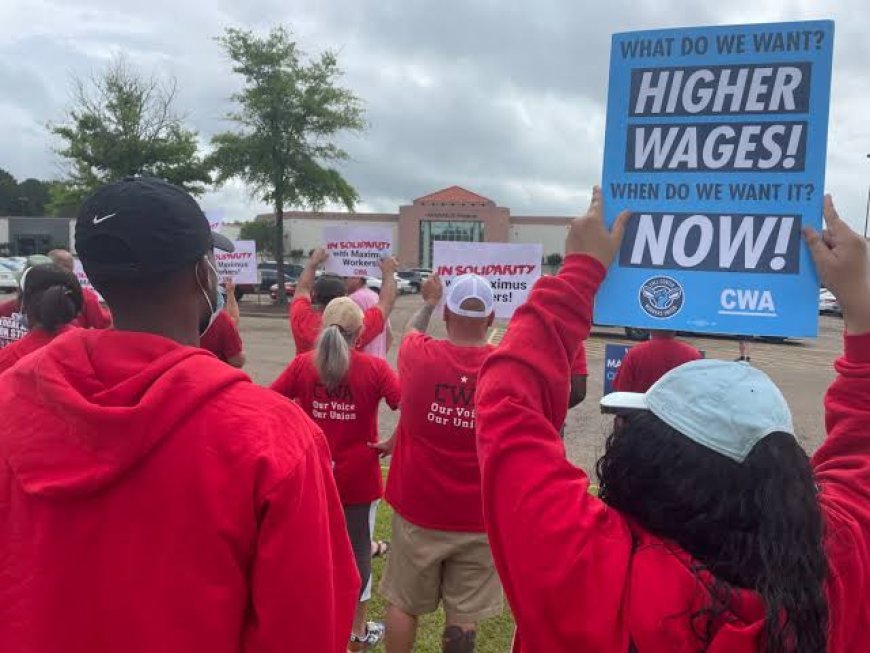
Compounding these structural changes has been a significant contraction in the agency’s workforce. Approximately 100 employees departed the NLRB through early retirement programs and resignation incentives associated with broader government efficiency initiatives. The resulting staff reduction has left the agency with roughly 1,100 employees responsible for overseeing collective bargaining processes across a private-sector workforce exceeding 135 million individuals. The disparity between institutional capacity and the scale of the labor market underscores a central tension in contemporary regulatory governance: the effectiveness of legal protections depends not only on statutory authority but on the administrative resources available to enforce them.
The decline in union election activity emerges against a paradoxical backdrop of rising public support for organized labor. Survey data indicate that approval of labor unions has climbed steadily in recent years, reaching levels not seen in decades and spanning demographic and political divisions. This divergence between public sentiment and institutional outcomes highlights the complexity of labor politics in the United States. While popular attitudes toward unions have grown more favorable, the procedural pathways through which workers translate support into representation appear increasingly constrained.
Economic transformations further complicate this landscape. The expansion of the private-sector workforce over the past decade has coincided with the proliferation of new employment models, including contract work, platform-based labor, and decentralized production structures. These shifts have altered the terrain on which collective bargaining operates, often dispersing workers across organizational boundaries that are difficult to organize within existing legal frameworks. In such an environment, the capacity of federal institutions to facilitate union elections becomes a decisive factor in determining whether organizing momentum can be sustained.
The political implications of declining union activity extend beyond labor markets into the broader architecture of democratic representation. Historically, organized labor has functioned not only as an economic actor but as a mediating institution linking workers to political processes. Changes in the regulatory environment that shape union formation therefore carry potential consequences for patterns of civic participation, policy advocacy, and electoral mobilization. The contraction of union election activity may thus reflect not merely a shift in workplace governance but a reconfiguration of the channels through which economic interests are articulated within the political system.
Critics of the administration’s approach argue that the weakening of institutional oversight risks undermining statutory protections that were designed to balance asymmetries of power between employers and employees. Supporters, by contrast, frame regulatory recalibration as a necessary correction to what they characterize as bureaucratic overreach, emphasizing flexibility and market responsiveness. This ideological divide mirrors broader debates about the role of the federal government in structuring economic relationships, a debate that has intensified in an era marked by rapid technological change and global competition.
Internationally, the trajectory of American labor policy carries implications for comparative economic governance. The United States occupies a distinctive position among advanced economies in its relatively limited institutional support for collective bargaining at the national level. Changes to the functioning of the NLRB therefore influence not only domestic labor relations but also perceptions of American regulatory norms within the global economic order. As other industrialized democracies grapple with questions of worker representation and industrial policy, the United States’ approach to labor governance remains a point of reference in ongoing debates about the balance between market autonomy and social protection.
The decline in union elections in 2025 ultimately reflects a convergence of structural, political, and institutional forces. It underscores the extent to which labor rights are mediated through administrative frameworks that can be reshaped by executive priorities and legislative interpretation. More broadly, it reveals how the distribution of economic power is inseparable from the design of regulatory institutions that govern workplace relations.
Whether the contraction observed in 2025 represents a temporary disruption or a longer-term transformation remains uncertain. What is clear, however, is that the trajectory of organized labor in the United States cannot be understood solely through the lens of public opinion or economic demand. It is equally a function of institutional architecture, political will, and the evolving relationship between governance and work in a rapidly changing economy. In that sense, the decline in union election activity is not simply a labor story but a reflection of deeper currents reshaping the balance between state authority, market forces, and democratic participation in the United States.
Advertisement